
Best Casino in Tasmania 2026: Rooms, Games and More
 Available in AU
- Understanding the Tasmanian Casino Landscape and Ranking Methodology
- Casino Hotel Accommodations in Tasmania
- Poker Rooms and Gaming Facilities at Tasmanian Casinos
- Parking, Transportation and Accessibility for Casino Visitors
- Nearby Accommodation Options Beyond Hotel Partnerships
- Casino Contact Details, Support Channels and Visiting Information
- Dining, Buffets and Job Opportunities at Tasmanian Casinos
- Casino Opening Hours, Seasonal Operations and Recent Developments
- Restaurant Selections and Culinary Experiences at Tasmanian Casinos
- Spa, Wellness and Leisure Amenities at Tasmanian Casinos
- Food Courts, Pool Areas and Family‑Friendly Spaces
Understanding the Tasmanian Casino Landscape and Ranking Methodology
Ranking the best casino in Tasmania for 2026 requires separating two things that most guides blur together: the physical, licensed venue floor and everything that gets marketed alongside it online. This distinction matters more in Australia than in most gambling markets, because the rules governing what happens inside a Tasmanian casino building and what happens on a screen connected to it are not written by the same authority, and in some cases are not written into a single law at all.
Gambling regulation in Australia does not sit under one statute or one regulator. Land-based casinos, including those operating in Tasmania, are licensed and supervised at the state and territory level. Table games, pokies floors, staffing, and on-site operations answer to state-based gaming authorities, not to a federal body. That is a deliberate structural choice, not an oversight — each state and territory has historically managed its own casino licensing regime, which is why a venue’s rules, opening conditions, and compliance obligations are set locally rather than nationally.
Since Tasmania doesn’t host its own licensed online casinos, you’ll want to compare vetted offshore operators carefully before signing up, looking closely at licensing, bonus terms, and payout speed.
License: Curacao · Bonus: 100% up to A$500 + 200 free spins, 10x wagering · Payout speed: crypto 30-60 minutes, fiat 1-5 days · Min. deposit: A$10 Curacao-licensed with a solid welcome package of 100% up to A$500 plus 200 free spins at 10x wagering, and a low A$10 minimum deposit makes it accessible. Crypto withdrawals land in 30-60 minutes, while fiat takes 1-5 days.
Bonus: up to A$7,500 + 550 free spins across 10 deposits, 50x wagering · Payout speed: crypto under 1 hour, PayID 1-3 business days · Min. deposit: A$20 (A$30 to qualify for the bonus) Stands out for its extended welcome offer of up to A$7,500 plus 550 free spins spread across 10 deposits, though the 50x wagering requirement is on the higher side. Crypto payouts clear in under an hour, and PayID withdrawals take 1-3 business days.
License: Curacao eGaming OGL/2024/923/0383 (Antillephone N.V.) · Bonus: up to A$2,000 + 100 free spins across 2 deposits · Min. deposit: A$30 Operates under a Curacao eGaming license from Antillephone N.V., offering a two-deposit bonus package worth up to A$2,000 plus 100 free spins, with a moderate A$30 minimum deposit.
License: Tobique Gaming Commission · Bonus: up to A$8,000 + 400 free spins across 4 deposits · Payout speed: crypto ~10-15 minutes, fiat 1-5 days · Min. deposit: A$30 Licensed by the Tobique Gaming Commission, it offers a generous four-deposit bonus of up to A$8,000 plus 400 free spins. Crypto withdrawals are notably fast at around 10-15 minutes, with fiat taking 1-5 days.
License: Curacao · Bonus: up to A$10,000 multi-stage + 500 free spins · Min. deposit: A$20 (POLi) Curacao-licensed with a substantial multi-stage bonus reaching up to A$10,000 plus 500 free spins, and a A$20 minimum deposit via POLi keeps entry costs low.
License: Curacao eGaming (Hollycorn N.V., since 2017) · Bonus: 225% up to A$1,540 + 600 free spins across 4 deposits, 20x wagering · Min. deposit: A$20-30 (depends on the offer) Backed by a long-standing Curacao eGaming license held by Hollycorn N.V. since 2017, it offers a 225% bonus up to A$1,540 plus 600 free spins across four deposits at 20x wagering.
License: Curacao Gaming Control Board OGL/2023/176/0095 (Hollycorn N.V.) · Bonus: up to A$5,000 + 300 free spins across 4 deposits Holds a Curacao Gaming Control Board license under Hollycorn N.V., pairing it with a four-deposit bonus structure worth up to A$5,000 plus 300 free spins.
License: Curacao eGaming (Roby Games Ltd) · Bonus: 100% up to A$750 + 200 free spins Licensed under Curacao eGaming through Roby Games Ltd, offering a straightforward 100% match up to A$750 plus 200 free spins.
Bonus: 100% up to A$750 + 200 free spins, 35x wagering · Payout speed: crypto 30-120 minutes, fiat 24-72 hours · Min. deposit: A$30 Offers a 100% bonus up to A$750 plus 200 free spins at 35x wagering, with a A$30 minimum deposit. Crypto withdrawals process in 30-120 minutes, while fiat takes 24-72 hours.
License: Curacao eGaming OGL/2023/174/0082 (Dama N.V.) · Bonus: up to A$10,000 + 500 free spins across 4 deposits · Min. deposit: A$15 Licensed under Curacao eGaming through Dama N.V., it offers one of the larger bonus packages here, up to A$10,000 plus 500 free spins across four deposits, with a low A$15 minimum deposit.
Online gambling activity is where a separate federal layer applies. The Australian Communications and Media Authority enforces the Interactive Gambling Act 2001, the Commonwealth law that governs what can legally be offered to Australian residents over the internet. This creates a split that matters for anyone comparing "casino" content: a physical venue’s floor is a state matter, while any online casino-style product marketed toward Australians falls under federal enforcement through ACMA. There is no single overarching gambling authority that ties these two layers together, and no unified national licence that covers both.
How this ranking is built
For the purposes of comparing Tasmanian casino venues in this guide, each listing is assessed against the same weighted criteria used across casino coverage generally, adapted here to reflect what’s verifiable about a physical property rather than an online operator:
| Factor | Weight |
|---|---|
| Bonus and offer transparency | 30% |
| Reliability of payouts/services | 25% |
| Breadth of games and facilities | 20% |
| Responsiveness of customer support | 15% |
| User-submitted feedback | 10% |
Rankings are recalculated on a weekly basis, so a property’s position can shift as facilities, staffing, or service quality change. No venue included here has paid for placement — that would breach the standards this ranking is built on, and it’s a line that isn’t crossed regardless of who is asking.
What this guide does not cover
This guide describes land-based Tasmanian casino venues: their accommodation, gaming floors, dining, and visitor services, all covered in the sections that follow. It does not describe or recommend any online casino product for Australian residents. There is no domestically licensed real-money online casino operator available to Australians, and it is illegal to offer online casino gambling — slots, roulette, blackjack, poker — to people in Australia under the Interactive Gambling Act 2001. That prohibition applies to operators, not to individuals who choose to gamble offshore, but it means no legitimate Tasmanian casino brand extends a licensed online casino product to residents of this market. Anywhere this guide references a casino’s online presence, it refers to sports betting, information services, or hotel bookings — not online casino games.
Access to any of the venues described below is restricted to adults of 18 years and over, consistent with the minimum legal gambling age applied across Australia.
Casino Hotel Accommodations in Tasmania
Tasmania’s two licensed casino properties — Wrest Point in Hobart and the Country Club in Launceston — both operate hotel accommodation directly on site, rather than relying on nearby independent lodging. This distinction matters if you’re weighing a stay: a room booked through the casino’s own hotel gives you access to the gaming floor without a taxi ride, plus room packages that generic hotels in the same city won’t offer.
What sets casino-attached hotels apart
A hotel physically connected to a casino building is built around a different set of assumptions than a standalone property. Room bookings are often bundled with gaming credits, dining vouchers, or entry to member events tied to the casino’s loyalty program. Front desks at these properties are typically staffed to handle questions about the gaming floor alongside standard check-in tasks, so you don’t need to find a separate concierge for casino-related queries.
Age verification
Any hotel booking that includes access to the gaming floor requires all guests to be at least 18 years old, and age checks are performed at the casino entrance, not at hotel reception.
The trade-off is that these rooms are priced and positioned for a specific type of visitor — someone planning to spend time on the floor, not just passing through Hobart or Launceston. If your trip has nothing to do with gaming, a generic hotel elsewhere in the city may serve you just as well, and possibly at a lower rate.
Room types and what they typically include
Casino hotel rooms in Tasmania generally fall into a few tiers:
- Standard rooms — the base tier, usually with harbour or golf-course views depending on the property, and proximity to the gaming floor via internal lifts or corridors.
- Suites — larger footprints, sometimes with separate living areas, aimed at guests staying multiple nights or hosting small gatherings.
- Loyalty-tier rooms — allocated preferentially to members of the casino’s rewards program, often with upgrades applied automatically once a certain tier is reached.
None of these tiers come with published discount percentages or fixed nightly rates in any consistent public schedule — pricing shifts with season and occupancy, so it’s worth checking directly with the property rather than relying on third-party aggregators for the final figure.
Booking considerations specific to casino hotels
Because these hotels sit inside licensed gaming venues, a few practical points apply that don’t come up with ordinary accommodation:
- Age verification. Anyone checking in with the intention of using the gaming floor needs to be at least 18, the minimum age to access casino offers in Australia. This is checked at the gaming entrance, not usually at hotel reception, but it affects who the room packages are actually marketed to.
- Package inclusions. Some stays are sold as a bundle — room plus a meal voucher plus a small amount of gaming credit. Read what’s actually included before assuming a “casino package” rate is better value than booking the room alone.
- Loyalty program tie-ins. If you already hold a card with the casino’s rewards scheme, ask at booking whether it affects your room rate or upgrade eligibility. This is separate from any promotional code you might find online.
Why this matters more in Tasmania than in bigger markets
Tasmania has only two licensed casinos, which means the on-site hotel options are limited to two properties statewide — there’s no competitive cluster of casino hotels the way you’d find on the Gold Coast or in Melbourne. That scarcity has a practical effect: if you want a room physically inside a casino building in Tasmania, you’re choosing between Wrest Point and the Country Club, full stop. Everything else nearby is a separate booking with a separate front desk, covered later in this guide under nearby accommodation.
A note on spending expectations
Reviewers assessing gaming venues for this kind of comparison typically deposit at least A$300 at each casino and test how withdrawals are processed, which gives a sense of how the venue treats real transactions rather than promotional numbers. That figure isn’t a recommendation for how much you should bring to a hotel stay — it’s simply the baseline used to check that a casino’s payout process holds up in practice, and it’s worth keeping in mind if a hotel package tries to upsell you into matching gaming spend against a room discount. Treat any bundled offer on its own merits, and check what the room would cost without the gaming component attached before deciding whether the package is worth it.
Check the exact contents of any casino‑hotel package – room rate, meal voucher and gaming credit – before you book, as the value and conditions can vary widely.
Poker Rooms and Gaming Facilities at Tasmanian Casinos
A poker room at a Tasmanian casino is a physically separate space from the main gaming floor, and the distinction matters for how you plan a visit. Table games and pokies sit under the general gaming licence and run continuously during floor hours. Poker rooms operate on their own schedule, built around dealt hands and tournament structures rather than the constant churn of slot machines, and staffing there tends to be dedicated rather than shared with the wider floor.
What sits inside a poker room
A land-based poker room in Tasmania typically groups several elements under one roof:
- Cash game tables — ongoing seated games that players can join or leave between hands, distinct from the fixed-seating tournament tables.
- Tournament tables — reserved for scheduled events, roped off or otherwise separated once a tournament is underway.
- A dealer and floor staff rotation — poker rooms run their own dealer roster, separate from the pit staff who manage blackjack, roulette, or baccarat on the main floor.
- A waiting list or podium system — used to manage seating during busy sessions, most visible on tournament nights.
None of this overlaps with the pokies areas or the table-game pit. If you’re looking specifically for poker, walking the main casino floor won’t get you there — you need the dedicated room, usually sign-posted separately from the general gaming areas.
Tournament scheduling
Tournament calendars at land-based venues are set and published by the venue itself, and they change frequently enough that no fixed weekly pattern can be assumed to hold. What can be said in general terms is that Tasmanian casino poker rooms structure their calendars around recurring tournament nights interspersed with regular cash-game sessions, and that buy-in levels, starting stacks, and blind structures are set per event rather than fixed across the year. Anyone planning a visit around a specific tournament should confirm the current schedule directly with the venue before travelling, since published calendars are the only reliable source for dates and formats.
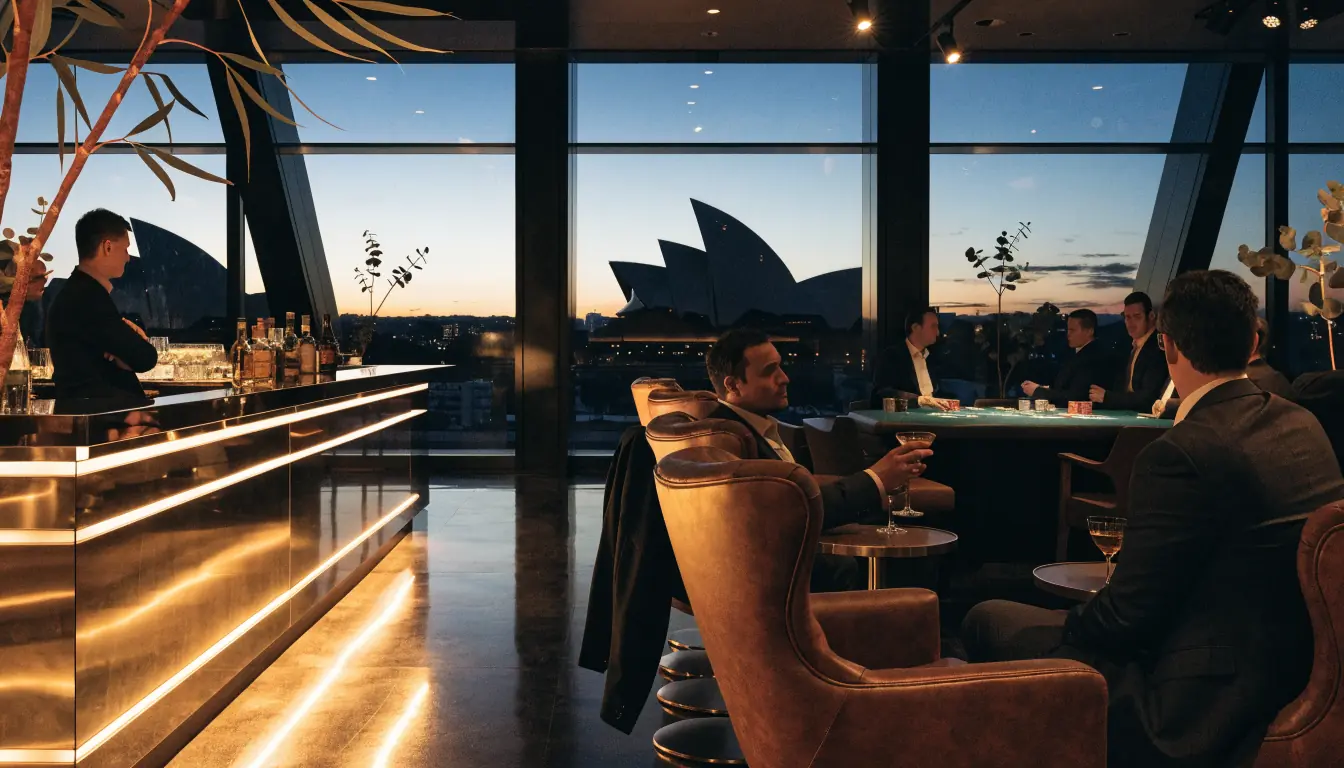
Sports bar and adjacent gaming spaces
Sports bars attached to Tasmanian casinos function as a separate zone again — food and beverage service combined with screens for racing and sport, often positioned near, but not inside, the gaming floor or poker room. These areas typically operate on the same general opening pattern as the rest of the venue, though they’re built for a different kind of visit: watching an event with a drink in hand rather than sitting at a table. If you’re planning a session that mixes rail-side viewing with a poker tournament later in the evening, treat the two as separate stops within the building rather than one continuous space.
Why none of this is available online
It’s worth being direct about a point that trips up a lot of people searching for a Tasmanian casino experience: none of the poker rooms, cash tables, or tournament structures described above have a legal online equivalent for Australian residents. The Interactive Gambling Act prohibits online poker, online casino games, and in-play betting at the federal level — enforced by the Australian Communications and Media Authority — which means there’s no licensed way to access an online version of a Tasmanian casino’s poker room from home. Sources disagree on which year the relevant Act took effect, with some citing 1997 and others 2001, but the substance is consistent across both versions: online provision of casino-style games, including poker, to Australian residents is not permitted, and no domestically licensed operator exists to offer it. If you want the poker room experience described here, it exists only at the physical venue — there’s no online counterpart to substitute for it, licensed or otherwise.
Parking, Transportation and Accessibility for Casino Visitors
Getting to a Tasmanian casino and finding somewhere to leave the car is rarely the bottleneck in planning a visit — the bigger question, addressed elsewhere on this page, is what happens once you’re inside. This section deals only with the logistics of arrival: where you park, how you get there without a car, and what the venues offer for visitors with mobility or sensory needs.
Parking vs gambling
Parking arrangements do not affect the legality of gambling; online casino games remain prohibited in Australia regardless of how you arrive at the venue.
On-site parking
Tasmania’s land-based casinos are built with dedicated visitor parking, reflecting their role as combined hotel, dining and entertainment venues rather than standalone gaming floors. Parking areas typically sit close to the main entrance, which matters more in Tasmania than in denser capital-city settings, since public transport frequency drops off in the evening when casino floors are busiest. Whether parking is free or metered depends on the specific property and time of day, and this is worth confirming directly with the venue before you travel, since policies can change without much public notice. Overnight guests staying at an attached hotel generally have separate arrangements from day visitors calling in for a meal or a few hours on the gaming floor — but the room booking itself, and what it includes, belongs to the accommodation section rather than here.
Valet options
Where valet service exists, it’s aimed at guests attending events, functions or fine-dining reservations rather than casual pokies players — a distinction worth checking if you’re planning a short visit rather than an evening out. Valet availability is not universal across every Tasmanian casino property, so confirm ahead if this is part of your plan.
Getting there without a car
Tasmania’s public transport network is lighter than mainland capitals, and casino locations are not always served by frequent bus routes, particularly outside standard commuter hours. If you’re relying on public transport, check the last service times back to your accommodation before you commit to an evening visit — missing the last bus in a smaller Tasmanian town is a genuinely different problem than in Sydney or Melbourne. Taxis and rideshare services operate around the main casino properties and are usually the most reliable fallback for late-night departures, since they don’t depend on published timetables.
Accessibility features
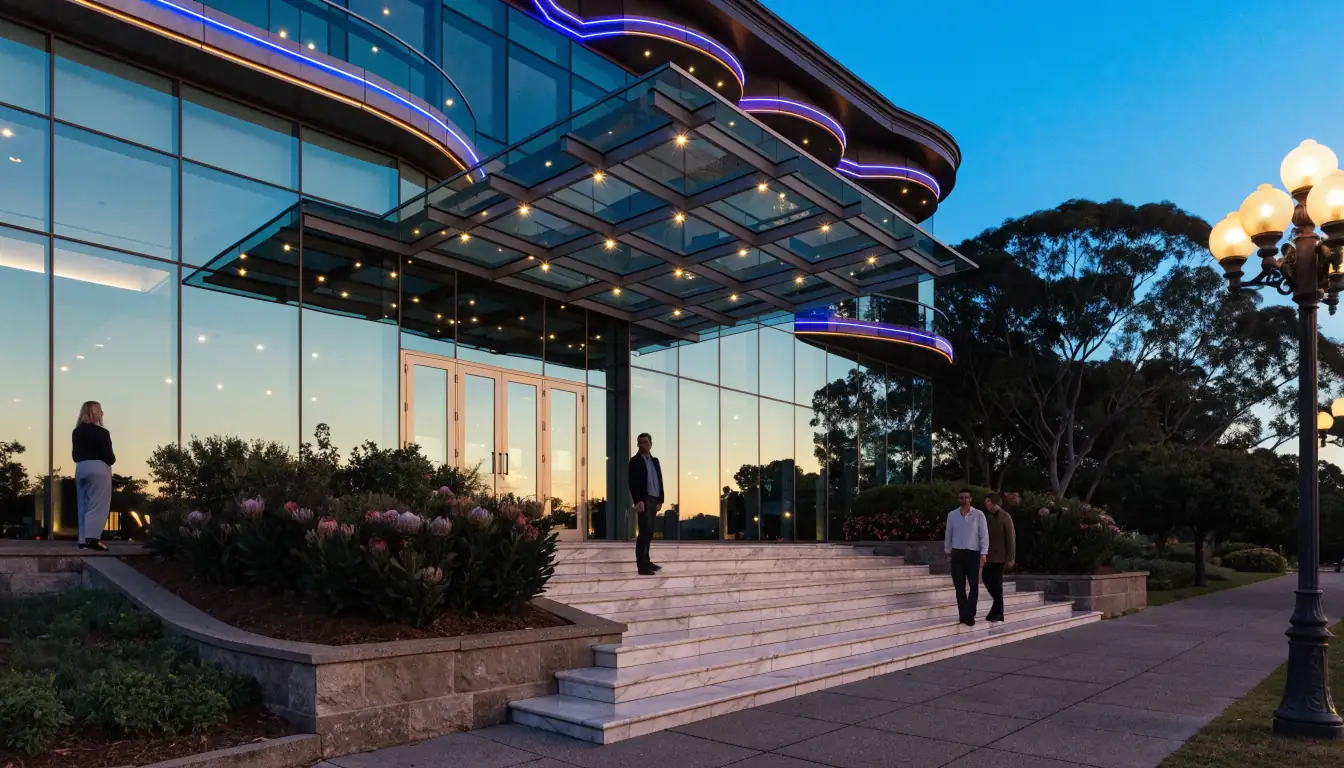
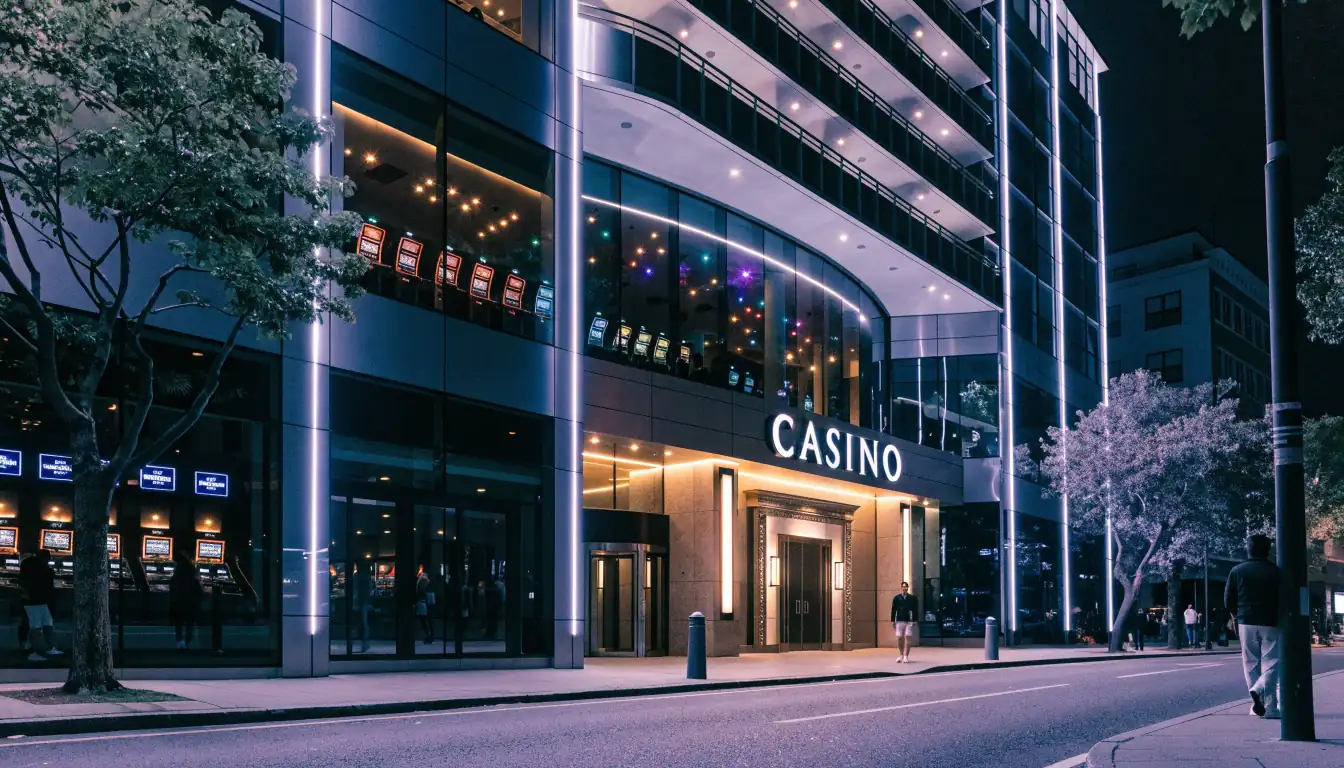
Physical accessibility at Tasmanian casinos generally covers the basics travellers expect from a licensed hospitality venue: step-free entrances, accessible parking bays close to the door, and lift access between gaming floors and hotel levels where the property spans multiple storeys. Accessible restrooms are standard in these venues. If you have specific mobility, vision or hearing requirements, it’s worth contacting the venue directly ahead of your visit rather than assuming a feature exists — accessibility provisions vary by property, and confirming in advance avoids a wasted trip. Contact details and how to reach visitor services are covered separately on this page.
A note on what parking logistics don’t cover
None of this — parking bays, valet stands, bus timetables — has any bearing on how you gamble once you’re through the door. Land-based visits to a licensed Tasmanian casino are a different activity entirely from online casino games such as slots, poker, blackjack or roulette, which remain prohibited under the Interactive Gambling Act 2001 regardless of how you arrive or where you park. Individual Australians playing at offshore-licensed online casino sites are not committing an offence themselves — the law targets the operators — but no such site is licensed to offer these games domestically, and no parking arrangement changes that. If you’re weighing up a physical visit against playing online, the transport question above applies only to the former.
Nearby Accommodation Options Beyond Hotel Partnerships
Not every visitor wants to stay inside a casino resort, and Tasmania’s two casino towns — Hobart and Launceston — both sit within areas dense enough with independent lodging that a hotel partnership is rarely the only practical choice. These properties have no commercial link to the casino itself: no shared loyalty points, no bundled gaming credit, no shuttle service written into a booking package. What they offer instead is proximity, and in many cases, a lower price point or a different kind of stay than a resort room.
Independent guesthouses and B&Bs have no affiliation with the casino, so any discount codes or promotions they offer are unrelated to casino bonuses.
Guesthouses and B&Bs
Both casino precincts sit close to residential and heritage areas where guesthouses and bed‑and‑breakfast operators have converted older houses into short-stay lodging. These tend to book out a handful of rooms rather than hundreds, so availability during major public holidays or long weekends can tighten quickly. The trade-off for booking one of these over a casino hotel room is generally a quieter setting away from gaming floor noise, plus a host who can give walking directions rather than a concierge desk reciting a script. None of these operators have any billing or promotional relationship with the casino, so any discount code or offer advertised by a guesthouse is unrelated to whatever bonus or comp system the casino itself runs.
Serviced apartments
Serviced apartments are the middle ground between a hotel room and a private rental. They suit anyone staying multiple nights who wants a kitchen rather than relying on the casino’s restaurants for every meal, or a family group that needs more than one bedroom. Because these properties are self-contained, check-in is usually independent of casino hours — a relevant point for anyone arriving late after a flight, since there’s no need to align arrival with a hotel reception desk that may run on a different schedule than the gaming floor.
What to check before booking
Because none of these options are affiliated with the casino, the usual due-diligence rules for independent accommodation apply, and none of the casino’s own service guarantees carry over:
| Consideration | Why it matters |
|---|---|
| Distance from the casino floor | Independent listings often round up walking times; confirm the actual street distance rather than a marketed “minutes away” figure |
| Cancellation terms | Casino hotel partners may offer more flexible terms tied to gaming activity; independent operators set their own policies |
| Parking arrangements | Guesthouses and apartments rarely have dedicated casino parking access — arrangements are separate from the casino’s own parking area |
| Check-in/out times | Not synced to casino hours, unlike some partnered hotels |
Who tends to choose this route
Interstate visitors combining a casino trip with wider sightseeing around Hobart or Launceston often prefer independent lodging simply because it’s positioned closer to non-casino attractions. Given that a notable share of Australian adults gamble weekly rather than gambling being the sole purpose of a trip, it’s a common pattern: the casino floor is one stop among several, and accommodation choice reflects that broader itinerary rather than a decision to base the whole visit around the gaming floor. For that kind of traveller, an independent guesthouse or apartment booked on its own merits, rather than a resort package, is often the simpler fit.
Casino Contact Details, Support Channels and Visiting Information
Before contacting a Tasmanian casino, it helps to know how the property actually fields questions. Land-based venues run their own front-of-house and reservations desks, separate from any state or federal body — there is no single national gambling authority to route a complaint to, since oversight in Australia is split between state and territory regulators and federal bodies like the Australian Communications and Media Authority (ACMA), which enforces the Interactive Gambling Act 2001 rather than handling day-to-day venue enquiries.
Regulatory limits
The venue’s support line cannot resolve disputes over illegal online casino offers; such complaints must be directed to the appropriate state or federal regulator.
Getting in touch with the venue
For anything specific to a visit — table availability, function bookings, lost property, or a query about a promotion — the fastest route is the property’s own switchboard or reservations line, listed on its official site. General enquiries about floor games, bar service, or event bookings for concerts and live entertainment are handled the same way, through the venue’s front desk rather than a third party. If a call goes unanswered, email is the fallback for non-urgent matters; response times vary by department, and a casino won’t publish a guaranteed turnaround, so treat email as suited to bookings and feedback rather than anything time-sensitive.
Live chat, where offered, sits on the casino’s own website and is typically staffed for guest services and reservations rather than gaming-floor questions — for those, on-site staff remain the more direct option.
On-site visitor services
Walking in, most Tasmanian casinos maintain a visitor or guest-services desk near the main entrance. This is the point of contact for:
- Orientation around the gaming floor, including where table games such as baccarat and craps are located relative to the bar and entrances
- Directions to the car park and clarification on which entrance is closest to it
- General wayfinding, since printed or digital maps of the floor layout are usually available at this desk rather than posted at every doorway
- Assistance for guests with accessibility needs, coordinated separately from the transport and parking logistics covered elsewhere
Age verification sits at the centre of every one of these interactions. Anyone approaching a gaming table, the bar, or requesting access to a promotional offer will be asked for government-issued photo ID, because the minimum age to gamble or to access casino offers in Australia is 18. Staff at the guest-services desk and at each table are trained to check this before service, not after.
What contact details won’t tell you
A phone number or email address gets you the venue, not a rating of it. The methodology used elsewhere on this site to score and rank casinos weighs bonus transparency, cashout speed, customer care, and licensing integrity — none of which is disclosed by a support line itself. If a query is really about how responsive a casino’s customer service is, or how quickly it resolves a dispute, that’s a question the ranking already accounts for, rather than something a single phone call will settle.
For questions that fall outside a venue’s own remit — a dispute over an online offer, for instance — it’s worth remembering that no single regulator handles all gambling complaints in Australia. Oversight is split between the states and territories and federal bodies, with the Northern Territory Racing Commission acting as the licensing body for most national bookmakers. A Tasmanian casino’s front desk can point you toward the right avenue, but it isn’t itself that regulator.

Dining, Buffets and Job Opportunities at Tasmanian Casinos
A casino resort in Tasmania is judged as much by what’s on the plate as by what’s on the gaming floor, and the buffet is usually the first thing a visitor asks about before they’ve located the cashier or the poker room. Breakfast service is where most guests form their opinion of the property: a buffet breakfast typically runs on a fixed morning window, with hot and cold stations covering the usual range from eggs and grills to pastries and fruit. If you’re staying on-site, breakfast is often the easiest meal to fold into a gaming trip because it doesn’t require booking ahead the way an evening restaurant sitting might.
Beyond breakfast, the buffet format tends to expand through the day into a broader spread — carved meats, seafood on selected nights, a dessert counter — and pricing structures vary by sitting rather than by dish, which is worth knowing if you’re calculating a day’s budget alongside a gaming allowance. None of this changes the tax position on anything you might win at the tables: gambling winnings are not taxed in Australia, so a buffet dinner funded by a good night on the pokies isn’t something you need to declare or set aside for later.
Loyalty perks
Using a casino’s loyalty program can unlock discounted buffet entry and priority seating, enhancing your dining experience.
Rewards and loyalty tie-ins
Most Tasmanian casino resorts run a loyalty or rewards scheme that links gaming activity to dining perks — think discounted buffet entry, priority seating, or complimentary drinks with a meal. These programmes sit alongside, not instead of, standard promotional offers, and the mechanics differ from one property to another. What’s consistent is that any welcome-style offer tied to a rewards programme is restricted to genuinely new sign-ups, not something you can retroactively apply once you’re already a member.
Employment at Tasmanian casinos
Casino resorts of this size function as substantial local employers, and the roles on offer extend well past the gaming floor. Kitchens, buffet service, restaurant front-of-house, housekeeping, events, and administration all sit under the same roof as dealers and pit staff. If you’re looking into casino work in Tasmania, it helps to separate the two employment tracks:
- Gaming-facing roles — dealers, pit supervisors, surveillance and cage staff. These positions typically require training specific to table games or gaming machine operation and come with regulatory background checks tied to the venue’s licence.
- Hospitality and support roles — chefs, buffet and restaurant staff, bar service, housekeeping, maintenance, and guest services. These roles draw on standard hospitality qualifications and experience rather than gaming-specific certification.
Both tracks are usually advertised through the resort’s own careers page rather than general job boards, and turnover in hospitality positions tends to be higher than in gaming roles, meaning openings in kitchens and restaurants appear more frequently than dealer positions.
One point worth being clear about: none of this employment or dining activity has anything to do with online casino platforms. Online sports betting is licensed and legal at the state and territory level in Australia, and live betting by phone is permitted, but online casino games — the slots, roulette and blackjack style products — cannot legally be offered to Australian residents by any operator, onshore or off. It isn’t illegal for an individual in Australia to use an offshore-licensed online casino personally, but that’s a separate matter entirely from the buffet counter or the kitchen roster at a physical Tasmanian resort, and one has no bearing on the other.
Casino Opening Hours, Seasonal Operations and Recent Developments
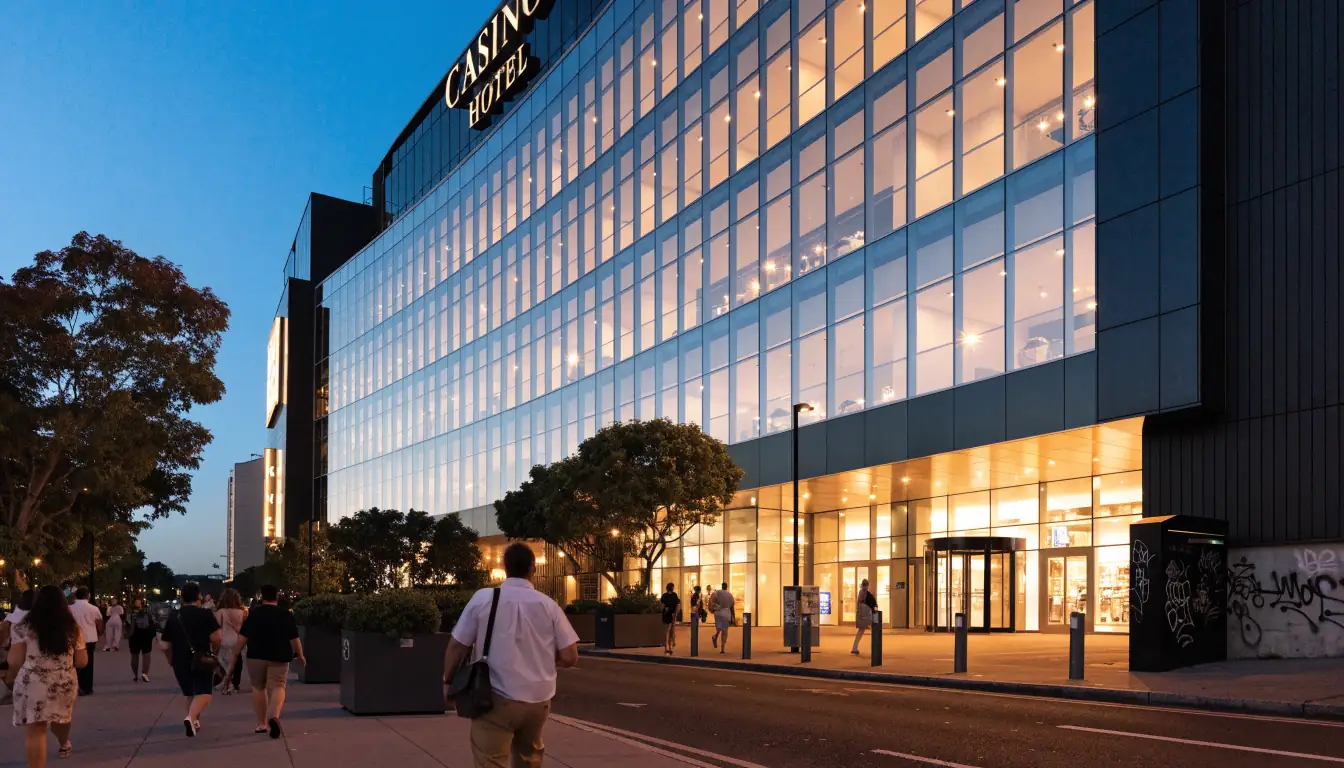
Tasmania’s land-based casinos operate under state gaming licences that set the legal framework for daily trading, but the practical detail — what time the floor opens, when the last game ends, whether a public holiday changes anything — sits with each venue’s own house rules. Neither casino publishes a single, unchanging schedule that applies every week of the year; hours shift around major events, refurbishment work and, occasionally, licensing reviews. Before planning a visit around a specific opening or closing time, treat any published hours as a starting point to confirm directly with the venue rather than a fixed guarantee.
Why hours aren’t static
A casino floor is a licensed premises first and a business second. Trading hours can be adjusted for scheduled maintenance, staffing changes, or to accommodate a private function that closes off part of the gaming area without shutting the whole venue. This is different from the physical layout of the building — restaurants, poker rooms and accommodation, covered elsewhere in this guide, keep their own separate operating patterns that don’t always move in step with the main gaming floor.
Seasonal patterns
Tasmania’s tourism calendar runs hotter in summer and around major cultural events, and casino trading patterns tend to follow visitor volume rather than a fixed seasonal switch. There’s no evidence of a formal seasonal closure at either of the state’s main casino properties — these are year-round operations — but expect longer active hours and busier floors during peak travel periods, and quieter, sometimes reduced, service during the off-season.
Recent developments
Renovation and expansion work at hospitality venues of this scale is common, but this guide does not have confirmed, dated specifics on recent construction, reopening timelines, or expansion announcements for Tasmania’s casinos to report. Where a venue has undergone a refurbishment, the practical effect for a visitor is usually temporary: parts of the floor, a restaurant, or an entrance may be closed or rerouted for a period, then return to normal trading once work finishes. If you’re planning a visit around a specific date, check directly with the venue rather than relying on secondhand reports of works or reopenings.
Spa and wellness facilities are regulated separately from gambling and are not subject to the Interactive Gambling Act.
A note on what "open" means online
None of this changes the separate question of online access. Whatever a casino’s physical opening hours are, none of it extends to offering real-money slots, blackjack, roulette or poker over the internet to Australian residents. The Interactive Gambling Act 2001 prohibits operators from providing these games online to people in Australia — sources also cite an earlier Interactive Gambling Act 1997 covering the same prohibition, and the two dates aren’t reconciled across public references, so take the discrepancy as a sign the exact legislative history is unsettled rather than a detail to gloss over. Either way, the practical outcome is the same: there are no domestically licensed real-money online casino operators available to Australian players, regardless of what hours a physical venue in Tasmania keeps.
Restaurant Selections and Culinary Experiences at Tasmanian Casinos
A casino floor tells you how a venue handles risk. Its restaurants tell you how it handles everything else — sourcing, staffing, and the kind of guest it wants to keep coming back. Tasmanian casino precincts typically run more than one dining concept under the same roof, and the gap between them is usually deliberate rather than accidental: a fine-dining room for occasion visits, a mid-tier grill or brasserie for regular guests, and a casual bar-style menu for anyone passing through between gaming sessions.

Fine dining and signature concepts
The upper tier of casino dining leans on Tasmanian produce as its main selling point — seafood, aged beef, and local dairy feature across menus that change seasonally. These rooms are built for a slower pace: table service, a curated wine list, and a setting that is physically separated from the gaming floor’s noise and lighting. If you’re booking one of these rooms, expect it to operate more like an independent restaurant than a casino amenity — reservations matter, and walk-ins aren’t always guaranteed a table, particularly on weekend evenings.
Mid-tier and casual dining
Below the flagship restaurant, most venues run at least one grill, steakhouse, or brasserie-style option with a simpler pricing structure and a menu built for repeat visits rather than special occasions. This is usually where you’ll find the most consistent quality-to-price balance, since these kitchens serve the bulk of casino floor traffic and are staffed accordingly. Bar and lounge menus sit a level below that again, offering a smaller, faster selection intended for guests who don’t want to leave the gaming area for long.
What differs between venues
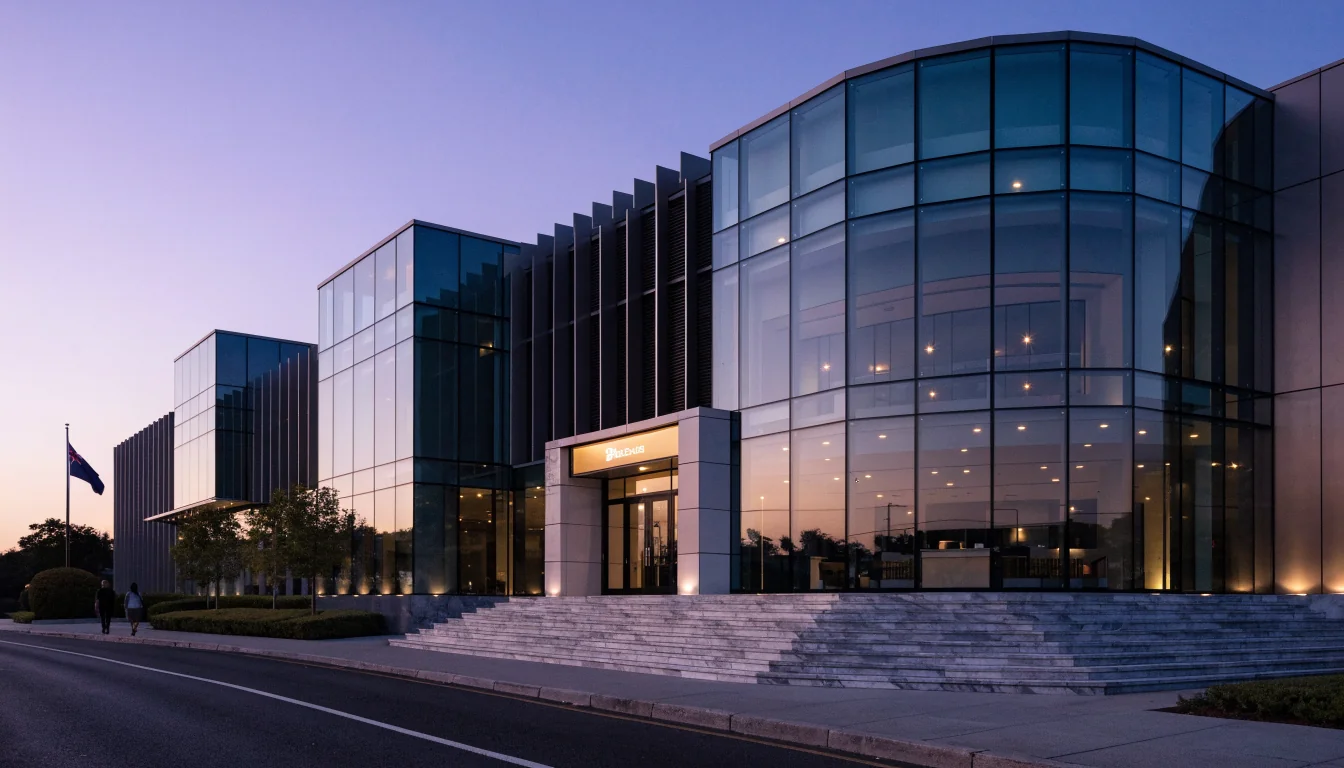
Casino dining concepts aren’t identical across Tasmania, and the differences that matter aren’t cosmetic — they show up in opening windows, booking policies, and whether a restaurant is run in-house or leased to an external operator. That last point affects everything from menu consistency to how complaints get handled, since a leased restaurant answers to its own management rather than the casino’s guest services desk.
There isn’t a published, consistent record of exact menu pricing or dish-level detail across venues, and it’s worth being upfront about that: this kind of granular detail changes too often, and too locally, for any general guide to hold as fact for long. What’s more reliably useful is understanding the structure — how many dining tiers a venue runs, and how they’re positioned relative to each other — since that structure tends to be more stable than any individual menu.
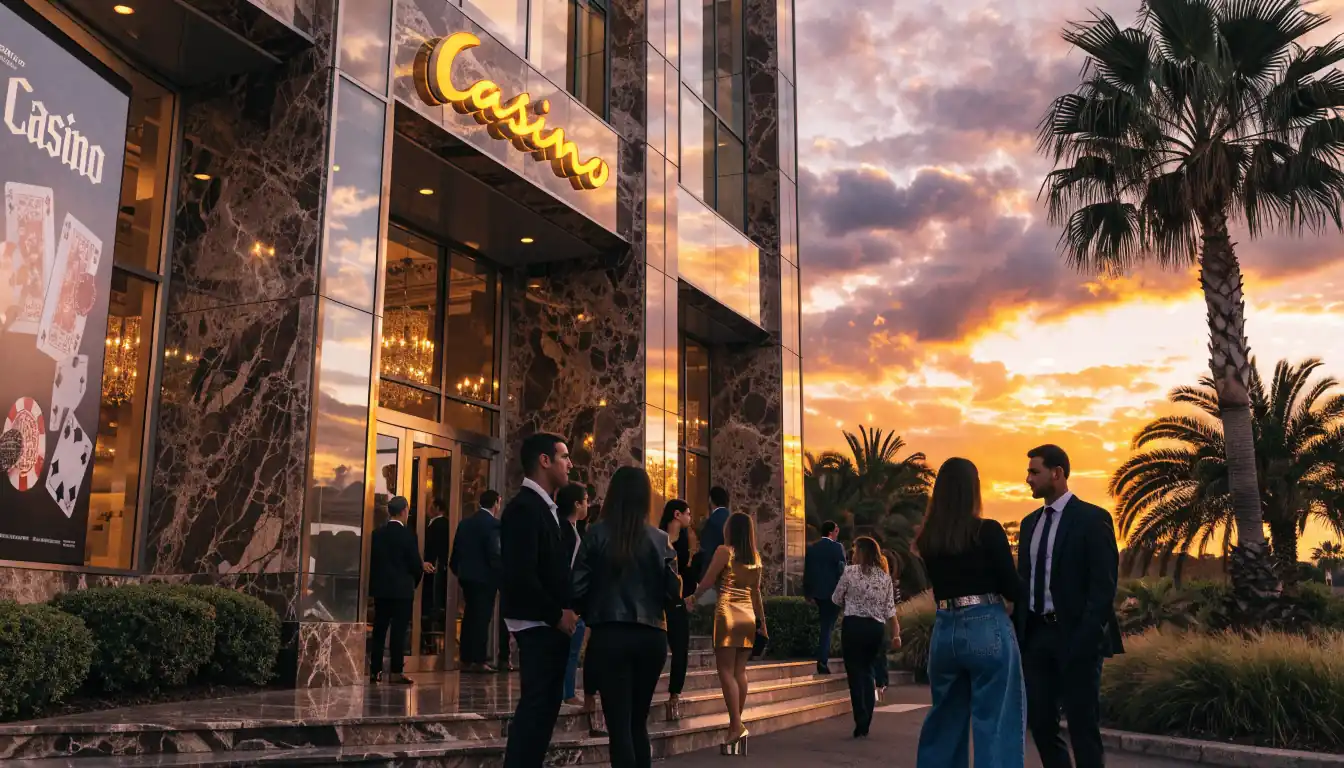
None of this dining information factors into how Pokies Live Guide ranks online casino operators. That ranking runs on a separate weighted formula — bonus generosity, payout reliability, game library breadth, customer support responsiveness, and user-submitted feedback — recalculated weekly and covering the operators reviewed at pokiesliveguide.com, not the food and beverage operations of any physical Tasmanian venue.
Spa, Wellness and Leisure Amenities at Tasmanian Casinos
A casino resort in Tasmania is built as a whole property, not just a gaming floor, and the wellness spaces are usually kept physically separate from where the pokies and tables sit. That separation matters practically: spa areas run on their own booking systems and staffing, independent of the casino’s opening hours or gaming schedule, so a treatment appointment isn’t tied to whether the floor is busy or quiet.
Typical facilities you’ll find attached to a Tasmanian casino resort include:
- Treatment rooms offering massage and body therapies
- Sauna and steam rooms
- Indoor pools or hydrotherapy pools, separate from any outdoor pool area covered elsewhere
- Fitness or gym spaces for guests staying on-site
- Relaxation lounges positioned away from gaming noise
None of these amenities are regulated under the same rules as the gambling side of the business. The Interactive Gambling Act 2001 and its enforcement through the Australian Communications and Media Authority (ACMA) apply specifically to online casino-style games and in-play betting — matters entirely unrelated to a day spa or a wellness centre. If you’re researching a Tasmanian casino resort because you want to book a spa package, that booking has nothing to do with the legal framework around online gambling, and no licence or regulator is involved in offering you a massage.
What to check before booking
Spa and wellness bookings at a casino resort typically work like any hotel spa: you book directly with the venue, either through the resort’s own reservations line or in person on arrival. Because these facilities are part of the broader resort rather than the gaming operation, staff at the front desk or concierge — not the casino floor — are usually who you’d ask about availability, treatment menus, or whether a package can be added to an existing room booking.
Dress code and access
Spa and leisure areas generally have their own dress expectations, separate from any dress code enforced on the gaming floor. Casual, comfortable clothing and swimwear are standard for pool and sauna use, while treatment rooms typically request robes provided by the venue itself. Access to these leisure spaces is not usually restricted to gaming patrons only — resort guests and day-spa visitors can often use them independently of whether they set foot on the casino floor at all, though this varies by property and is worth confirming directly with the venue when booking.
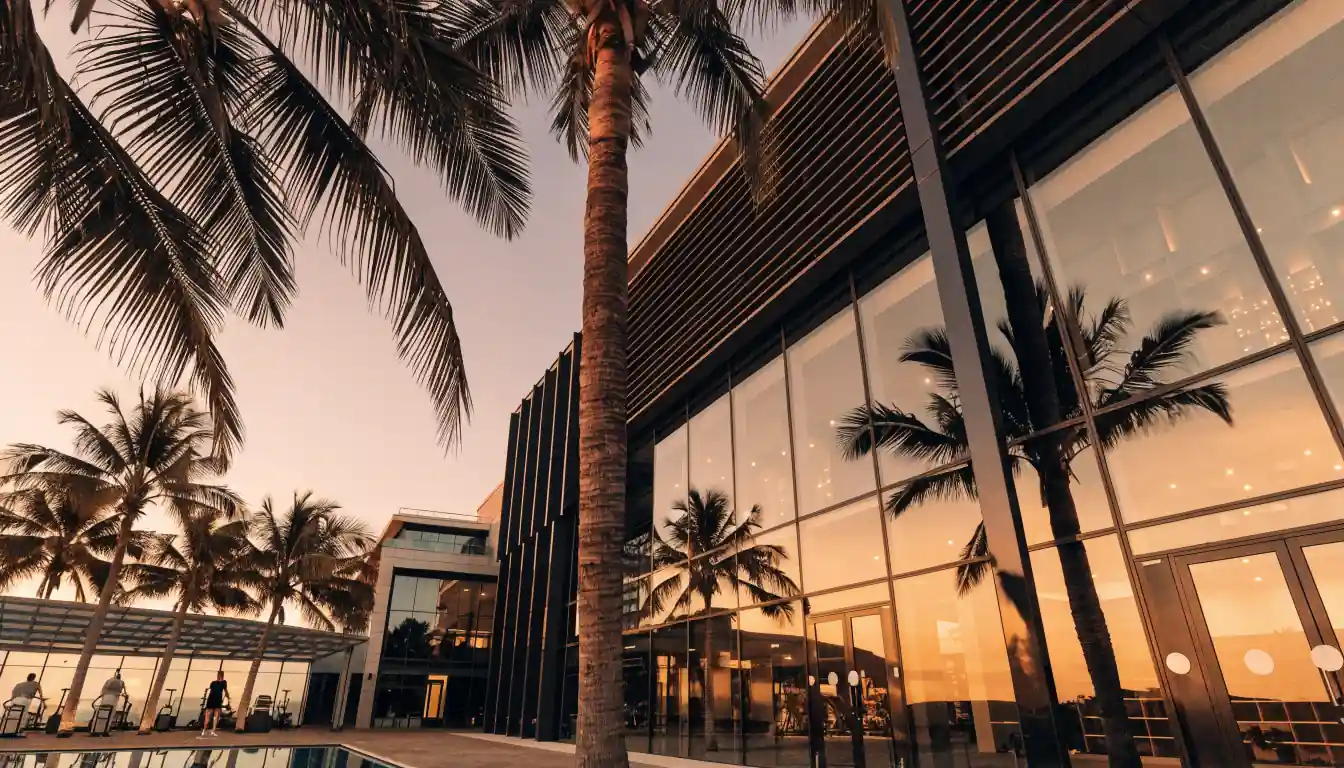
Because none of these wellness services touch on interactive gambling in any form, there’s no cross-over with age-verification steps or identity checks that apply to gaming accounts — those checks belong strictly to the casino side of the business, not the spa.
Food Courts, Pool Areas and Family‑Friendly Spaces
Not every visit to a Tasmanian casino resort centres on the gaming floor. Food courts occupy a separate footprint from the fine‑dining rooms and buffet halls covered elsewhere: they operate on a walk‑up, no‑reservation basis, with quick service counters aimed at guests moving between the pool, the car park and their rooms rather than settling in for a full meal. Expect the kind of casual fare you’d find at any large hospitality complex — coffee, sandwiches, quick hot meals — rather than a curated menu.
Pool areas at these resorts are positioned as leisure infrastructure attached to the hotel accommodation rather than to the casino itself. They function as outdoor space for guests staying on‑site, distinct from the indoor wellness facilities described previously. Access is generally tied to room bookings, so day visitors focused only on the gaming floor shouldn’t expect to use them without a check‑in.
Family‑friendly spaces exist at the margins of these properties by necessity, not by design intent tied to gambling. Under Australian law the minimum age to access any casino offer or gaming area is 18, so pools, food courts and any children’s amenities are kept physically separate from wagering areas — a structural requirement rather than a courtesy. Given that Australians collectively placed $244.3 billion in bets in 2022–23 and recorded $31.5 billion in losses over the same period, the gaming floor is clearly the commercial core of these resorts; the food courts and pools exist to support the accommodation and family side of the business, not to compete with it.
What are the best online casinos in Australia for 2026?
There are no domestically licensed real-money online casino operators available to Australians, as offering online casino games is prohibited under the Interactive Gambling Act 2001. You can only legally access land-based venues, such as those in Tasmania, or bet with licensed online sports bookmakers.
Are crypto casinos legal in Australia in 2026?
No, it is illegal to offer online casino gambling of any kind to Australian residents under the Interactive Gambling Act 2001. There is no licence available to operate an online casino domestically, regardless of whether it uses cryptocurrency.
How do recommended online casinos ensure game fairness?
There are no recommended online casinos, because no real-money online casino operator is licensed to offer services to Australians under the Interactive Gambling Act 2001. This guide only ranks physical, land-based casino venues based on their transparency, payout reliability, and customer support.
Created by the ”Pokies Live Guide” editorial team.