
Best Casino in Western Australia: Hotels, Rooms and Amenities

- Casino Hotels in Western Australia: What to Expect
- Poker Rooms and Gaming Facilities – Inside WA Casino Floors
- Parking, Dining and Entertainment Options at WA Casinos
- Accommodation Options Near Western Australian Casinos
- Contact Points: Bars, Baccarat, Events and Parking Services
- Dining Buffets, Breakfast Deals and Career Opportunities
- Casino Development, Employment and Regulatory Landscape
- Restaurant Choices Within Casino Complexes
- Wellness and Spa Services at Casino Resorts
- Food Courts and Pool Areas – Amenities Overview
Casino Hotels in Western Australia: What to Expect
A hotel attached to a casino works differently from a hotel that just happens to be nearby. The building shares a lobby, a parking structure, and often a single set of staff rosters with the gaming floor, which changes what you can expect at check-in, at odd hours, and when you ask the front desk for something specific to the property rather than the surrounding area.
Room types and what separates them
Casino hotels in Western Australia typically split their inventory into standard rooms and a tier of suites or club-level rooms marketed toward guests who spend time on the gaming floor. The practical differences worth checking before booking:
- Standard rooms — usually the same footprint and fit-out you’d find in any mid-to-upscale hotel, but positioned closer to the casino’s internal walkways rather than a street entrance.
- Suites and club rooms — larger, sometimes bundled with lounge access or priority service, and priced according to demand on the gaming floor rather than tourist season alone.
- View and floor placement — rooms facing the gaming areas or entertainment precinct can carry a premium distinct from a plain city or river view.
Since online casinos serving Western Australia vary widely in licensing, bonus structure and payout speed, it pays to compare these details side by side before you sign up.
License: Curacao · Bonus: 100% up to A$500 + 200 free spins, 10x wagering · Payout speed: crypto 30-60 minutes, fiat 1-5 days · Min. deposit: A$10 Curacao-licensed with a matched deposit plus free spins package carrying 10x wagering, and it stands out for fast crypto payouts alongside a low minimum deposit.
Bonus: up to A$7,500 + 550 free spins across 10 deposits, 50x wagering · Payout speed: crypto under 1 hour, PayID 1-3 business days · Min. deposit: A$20 (A$30 to qualify for the bonus) Offers a large multi-deposit welcome package spread across ten deposits with free spins, and crypto withdrawals are processed quickly while PayID takes a few business days.
License: Curacao eGaming OGL/2024/923/0383 (Antillephone N.V.) · Bonus: up to A$2,000 + 100 free spins across 2 deposits · Min. deposit: A$30 Holds a Curacao eGaming license under Antillephone N.V. and offers a two-deposit welcome bonus with free spins, backed by a modest minimum deposit.
License: Tobique Gaming Commission · Bonus: up to A$8,000 + 400 free spins across 4 deposits · Payout speed: crypto ~10-15 minutes, fiat 1-5 days · Min. deposit: A$30 Licensed by the Tobique Gaming Commission, it pairs a sizeable four-deposit bonus with free spins and notably quick crypto withdrawal times.
License: Curacao · Bonus: up to A$10,000 multi-stage + 500 free spins · Min. deposit: A$20 (POLi) Curacao-licensed with a substantial multi-stage bonus including a large batch of free spins, and it supports POLi deposits from a low minimum.
License: Curacao eGaming (Hollycorn N.V., since 2017) · Bonus: 225% up to A$1,540 + 600 free spins across 4 deposits, 20x wagering · Min. deposit: A$20-30 (depends on the offer) Licensed under Hollycorn N.V. with a long operating history since 2017, it offers a high-percentage bonus across four deposits with free spins and manageable wagering requirements.
License: Curacao Gaming Control Board OGL/2023/176/0095 (Hollycorn N.V.) · Bonus: up to A$5,000 + 300 free spins across 4 deposits Licensed by the Curacao Gaming Control Board under Hollycorn N.V., it features a solid four-deposit welcome bonus with free spins.
License: Curacao eGaming (Roby Games Ltd) · Bonus: 100% up to A$750 + 200 free spins Operates under a Curacao eGaming license via Roby Games Ltd and offers a straightforward matched deposit bonus with free spins.
Bonus: 100% up to A$750 + 200 free spins, 35x wagering · Payout speed: crypto 30-120 minutes, fiat 24-72 hours · Min. deposit: A$30 Provides a matched deposit bonus with free spins under 35x wagering, plus quick crypto payouts and fiat withdrawals processed within a few days.
License: Curacao eGaming OGL/2023/174/0082 (Dama N.V.) · Bonus: up to A$10,000 + 500 free spins across 4 deposits · Min. deposit: A$15 Licensed under Dama N.V. via Curacao eGaming, it offers one of the larger four-deposit bonus packages with free spins and a low minimum deposit requirement.
None of this is unique to Western Australia — it’s how integrated resort hotels function anywhere gambling revenue subsidises part of the accommodation business. What matters locally is that gambling remains a significant part of household spending nationally: Australians placed bets totalling $244.3 billion in 2022–23, and 72.8% of Australian adults gambled in the previous 12 months as of 2022. A casino hotel’s room pricing and occupancy patterns reflect that broader appetite, which is one reason weekend rates and event-linked pricing can move sharply compared with a standalone hotel a few streets away.
On-site services tied to the room, not the floor
Guests staying inside a casino property generally get a specific bundle of conveniences that a nearby hotel wouldn’t offer:
- Direct internal access to the gaming floor without stepping outside, useful in Perth’s summer heat or winter rain.
- Concierge staff who can book restaurant tables, spa slots, or event tickets within the same complex through one phone call.
- Room service menus that often mirror one or more of the complex’s restaurants rather than running a separate kitchen.
- Loyalty program tie-ins, where a player’s card activity on the floor can affect room rate offers or upgrade eligibility.
If you’re not interested in the gaming floor at all, these integrated conveniences matter less, and it’s worth weighing them against a hotel a short drive away that may offer a quieter stay for a comparable or lower rate — a comparison covered separately when looking at accommodation options near the casino rather than inside it.
Checking in outside standard hours
Casino hotels tend to run front-desk service closer to the clock of the gaming floor itself than to typical hotel norms — meaning check-in support outside the 9-to-5 window is usually easier to arrange here than at an independent hotel nearby. If you’re arriving late at night after a flight into Perth, this is one of the more practical reasons to book inside the complex rather than adjacent to it. Always confirm actual reception hours directly with the property before relying on this, since staffing can vary by season and by day of the week.
What to ask before booking
A few questions are worth putting to the hotel directly, since answers vary by property and aren’t standardised across Western Australia:
- Whether the room rate includes any resort fee or facility charge separate from the nightly price.
- Whether loyalty-tier benefits from casino play are automatically linked to the hotel booking or need to be added manually.
- Whether parking is included in the room rate or billed separately — a detail that connects directly to the practical amenities discussed elsewhere in this guide.
- What identification is required at check-in, since casino properties in Australia generally enforce stricter ID checks than a standard hotel, tied to the same verification standards used on the gaming floor.
None of this replaces reading the property’s own terms in full. Room categories, rate structures, and check-in policies change often enough that a description here is a starting point for questions, not a substitute for confirming directly with the hotel before you pay for anything.
Poker Rooms and Gaming Facilities – Inside WA Casino Floors
A casino floor in Western Australia is built around two distinct kinds of gaming, and it helps to understand what separates them before you walk in. Table games such as blackjack, roulette and baccarat run against the house, with fixed odds set by the rules of the game. Poker is different: you play against other players, not the house, and the venue’s role is limited to dealing, timing and taking a rake or table fee. That difference shapes everything about how a poker room looks and operates compared with the rest of the floor.
Location Western Australia
Gambling participation (2022) 72.8% of adults gambled in the previous 12 months
Online gambling law Prohibited for Australian residents under the Interactive Gambling Act 2001
What a dedicated poker room actually offers
A poker room is a separated section of the casino, usually set apart from the pokies and table games by walls, low partitions or simply distance, because the game requires quiet concentration and table talk that would be lost in the noise of a main gaming floor. Inside, you will typically find:
- Cash game tables running continuously, where players buy in and cash out at will, sitting alongside others at whatever stakes the table has been set for.
- Tournament tables, set up in blocks for scheduled events, with dealers rotating and blinds increasing on a clock rather than staying fixed as in a cash game.
- A reception or podium desk, where staff manage waiting lists, seat assignments and tournament registration.
- A dedicated dealer roster, since poker dealers are trained specifically for the game’s mechanics — reading hands, managing side pots, running the rake — rather than for table games generally.
The core difference for a player walking onto the floor is that a poker room is a queue-and-seat environment: you register interest, wait for a seat to open, and play by the room’s posted structure. A table game pit, by contrast, lets you sit down and play immediately as long as a seat is free.
Tournament spaces and how they differ from cash tables
Tournament poker is run in blocks of scheduled starting times, with players buying in for a fixed amount and playing until they are eliminated or the event ends. Because a tournament needs every table filled and finishing at roughly the same pace, the room is laid out and staffed differently for tournament days than for ordinary cash-game sessions — more tables active at once, a tournament clock visible from most seats, and staff dedicated to managing table balancing as players are eliminated and seats are consolidated.
If poker is what you are looking for, it is worth checking ahead whether a room is running as a standard cash-game floor on the day you plan to visit, or whether it has been given over to a scheduled tournament, since the two configurations offer a different experience and different availability of open seats.
Sports bars and gaming lounges
Away from the tables, most WA casino floors include a sports bar or gaming lounge positioned near — but functionally separate from — the poker and table-game areas. These spaces combine screens for live sport with their own bank of pokies, giving a lower-key alternative to the main floor for anyone who wants to watch a game while playing casually. They typically operate on the same hours as the rest of the gaming floor rather than keeping a separate schedule.
Illegal Online Gambling
Offering or accessing real‑money casino games online is illegal for Australian residents and can result in fines or prosecution.
Judging a casino floor beyond what you can see
The physical layout — how many poker tables, how many pokies, whether there’s a sports bar — only tells part of the story. The breadth of the game library on offer is one of several factors used when casino floors and their operators are assessed and ranked, alongside how reliably payouts are handled, how generous and clear the associated bonus terms are, how responsive customer support is when something goes wrong, and feedback submitted directly by players. These rankings are recalculated weekly, using a weighted formula in which bonus generosity accounts for 30%, payout reliability 25%, game library breadth 20%, customer support responsiveness 15%, and user-submitted feedback the remaining 10%. A floor with an impressive number of poker tables and pokies can still score poorly overall if the venue behind it falls short on the other measures — which is why the physical size of a gaming room is a starting point for assessment, not the whole picture.
Parking, Dining and Entertainment Options at WA Casinos
Getting to a casino floor is only the first logistical question. What happens once you park the car, whether you can grab a meal without booking a table, and what’s on offer once you’ve had enough of the gaming tables — these are the practical details that shape a visit as much as the games themselves.
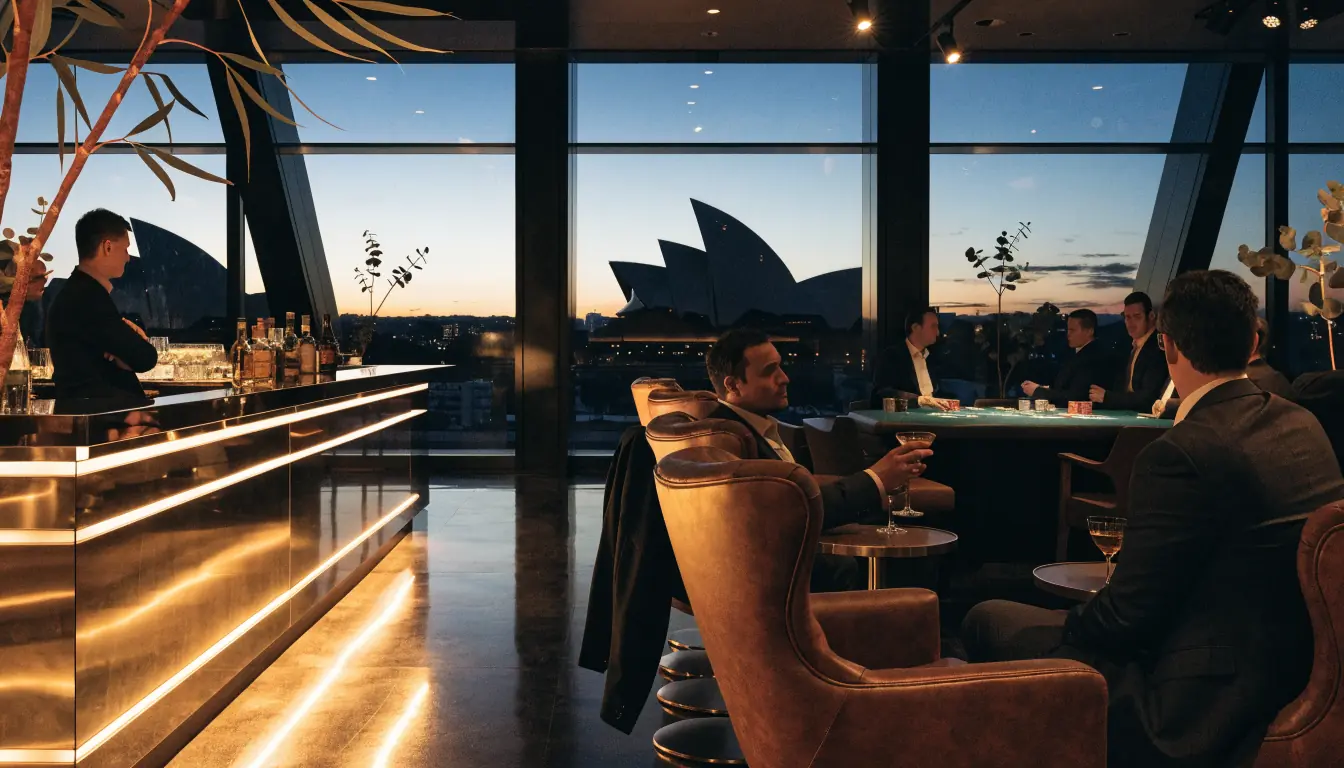
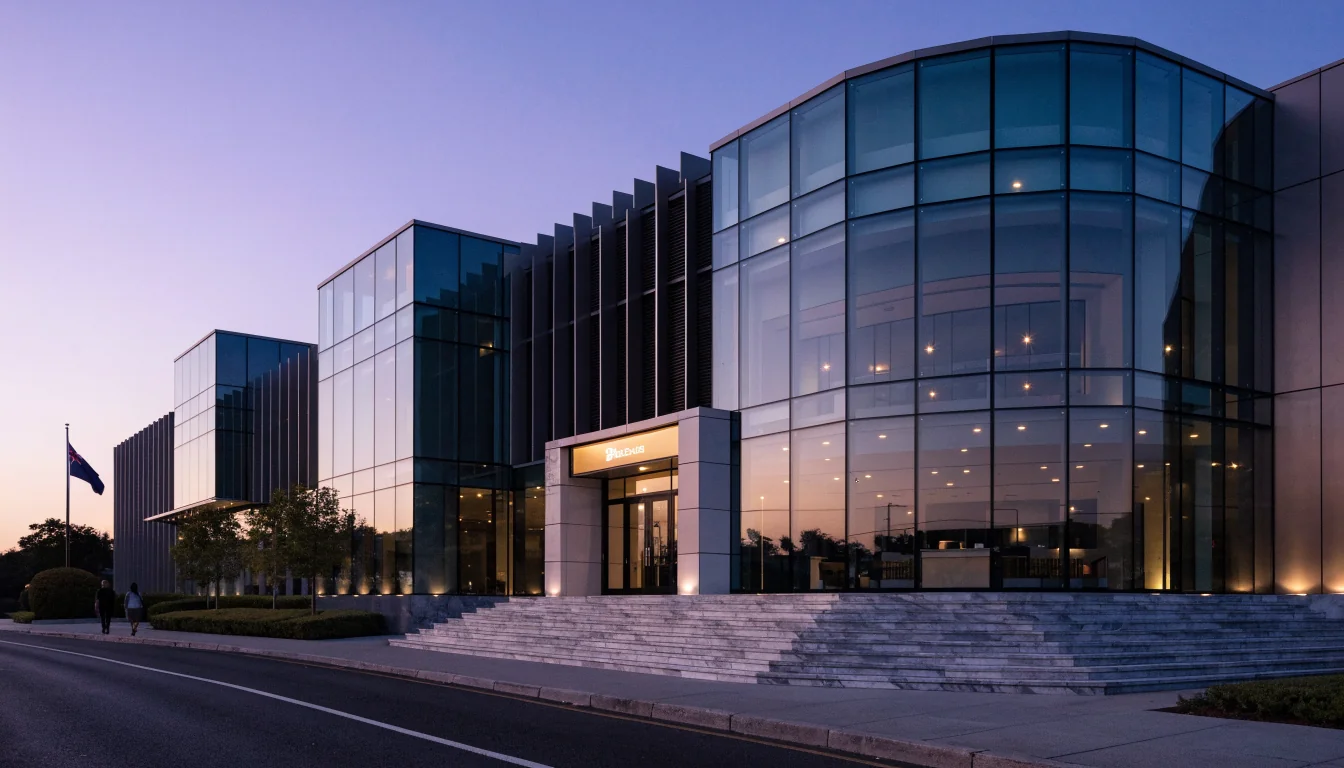
Parking
A physical casino complex in Western Australia functions like any large hospitality venue: it needs space for cars, coach groups, and staff shifts that run around the clock. Multi-storey or open-air parking structures attached to a casino resort are built to handle the volume that a combined hotel, entertainment venue, and gaming floor attracts, particularly on weekend nights and around scheduled events. Valet service, where available, adds a layer of convenience for guests staying at the on-site hotel or attending a function, letting you skip the walk from a parking level to the main entrance. Signage inside these structures typically separates general visitor parking from areas reserved for hotel guests or event ticket holders, so it’s worth checking which section applies to your visit before you circle for a spot.
Dining on the non-gaming side
Away from the tables, a casino complex operates dining venues the way a hotel precinct would — casual counters for a quick bite between sessions, and sit-down rooms for guests who want a proper meal without leaving the building. This section isn’t the place to break down specific restaurant concepts or buffet formats — those are covered elsewhere — but it’s worth noting that the dining spread at a casino resort is generally built around flexibility: something quick near the gaming floor, something slower near the accommodation wing. Opening hours for casual counters tend to stretch later into the night than a standalone restaurant would, matching the rhythm of a venue that doesn’t close early.
Entertainment beyond the tables
Bingo sessions are one of the more accessible entertainment formats you’ll find scheduled inside a casino complex, running on a fixed timetable separate from the main gaming floor. It draws a different crowd than table games or poker rooms — often less about high stakes and more about a social night out — and it’s typically hosted in a dedicated room or lounge rather than mixed in with slot banks. Live entertainment, from lounge acts to larger event nights, fills out the rest of the calendar, and these are usually ticketed or scheduled separately from general casino entry.
Mid‑range to upscale properties not owned by the casino, usually within walking distance and offering separate parking.
Budget‑focused lodging with basic amenities, ideal for short stays and easy self‑parking.
Self‑contained units with kitchen facilities, suited for longer visits or groups needing multiple bedrooms.
What this doesn’t include
None of the above extends to online play. Casino-style games — pokies, blackjack, roulette, poker — cannot legally be offered to Australian residents over the internet under the Interactive Gambling Act 2001, and there is no domestically licensed real-money online casino operator that Australian players can turn to. If you’re searching for a way to get the same bingo night or table-game experience from home, that option doesn’t exist within the law as it stands. The parking, dining, and entertainment amenities described here are tied to the physical venue — they’re part of what makes a trip to a bricks-and-mortar casino different from anything available on a screen, because the online equivalent simply isn’t on offer in this country.
Planning a visit around these amenities
A few practical points worth checking before you go:
- Parking type — confirm whether the venue offers valet, self-park, or both, and whether hotel guests get a different allocation than day visitors.
- Bingo schedule — session times are usually fixed and posted separately from general gaming-floor hours, so confirm the day and time rather than assuming it runs continuously.
- Event nights — larger entertainment bookings can affect general parking availability, so a night with a scheduled show may mean less casual parking than a quiet weekday.
None of these amenities require you to gamble to use them — dining counters, bingo rooms, and entertainment venues inside a casino complex are generally open to any visitor on-site.
Accommodation Options Near Western Australian Casinos
Not every visitor wants to stay inside a casino resort. Some prefer a quieter base a short drive or taxi ride away, closer to a beach, a suburb with more restaurant variety, or simply a lower nightly rate. Western Australia’s casino precincts sit within reach of a range of independent hotels, motels and serviced apartments that have no ownership link to the casino itself but cater specifically to people visiting it.
What sits outside the casino gate
The area around a casino complex typically includes:
- Independent hotels — mid-range and upscale properties operated by hotel chains unconnected to the casino, often within walking distance or a few minutes by car.
- Motels — simpler, budget-oriented lodging aimed at travellers who need a bed and parking rather than a resort experience.
- Serviced apartments — self-contained units with kitchens, useful for longer stays or for groups splitting a booking.
- Bed-and-breakfast style guesthouses — smaller operations further from the main precinct, usually requiring transport to reach the casino.
None of these properties can offer casino games themselves — no pokies, no table games, no sports betting terminals — since gaming licences in Western Australia are tied to the specific casino premises, not to nearby accommodation providers. What they can offer is a base from which to walk, drive or taxi to the casino floor.
Choosing between on-site and nearby
The trade-offs are practical rather than dramatic. Staying on the casino property (covered separately) usually means no travel time and direct access to the gaming floor, restaurants and events booked through the same front desk. Staying nearby usually means:
- More choice in price bracket, since independent operators compete on rate rather than resort positioning.
- Access to a different mix of local restaurants and cafés outside the casino’s own dining offer.
- The need to factor in a short trip — walking, driving or a taxi/rideshare — to reach the casino, including checking what parking arrangement applies if arriving by car.
Neither option carries a tax implication for the guest. Gambling winnings are not taxed in Australia, regardless of where a player is staying during the trip that produced them. The tax exposure in the gambling industry sits with the operators and the state, not with the individual — gambling revenue made up 7.7% of state and territory taxation revenue in the 2015–16 financial year, collected through licensing and duties on the venues themselves, not through any levy on a guest’s room bill or their winnings.
Booking around trading hours
Before locking in a nearby stay, it’s worth confirming the casino’s trading hours and gaming machine floor times for the dates of the trip, since these can differ from the accommodation’s own reception hours. A hotel or motel reception desk operates on its own schedule and has no authority over when the casino floor opens, closes, or runs promotions — that information sits with the casino directly, not with the property where you’re sleeping.
Practical points before booking
- Confirm the walking or driving distance to the casino entrance, not just the suburb name, since “near” can mean anywhere from a five-minute walk to a twenty-minute drive depending on the listing.
- Check whether the property offers its own parking or expects guests to use casino parking facilities.
- Ask whether the room rate assumes a minimum stay, particularly around weekends when casino events or entertainment draw more visitors to the area.
- If travelling as a group, compare a serviced apartment against multiple motel rooms — the per-person cost can differ substantially depending on group size.
Nearby accommodation won’t come with the casino’s own welcome bonus or loyalty perks, since those programs are tied to gaming activity and issued directly by the casino operator, not by the hotel booking.
Contact Points: Bars, Baccarat, Events and Parking Services
Finding the right department inside a large casino complex usually takes longer than it should, mostly because most properties route every enquiry through a single main switchboard first. Knowing which service you actually need before you call saves you from being transferred three times.
Casino bars
Bar service inside a Western Australian casino is split by zone rather than by a single central counter. Bars sitting on the main gaming floor operate on casino hours and are staffed to serve players without them leaving their table or machine. Separate lounge-style bars, usually located near the entrance or lobby, run on a schedule closer to a regular pub or hotel bar. If you’re trying to reach a bar directly — to check opening hours or reserve a table for a group — the front desk or concierge line is the correct first point of contact; bars themselves rarely take direct bookings.
Baccarat rooms
Baccarat is typically housed in a dedicated area separate from the general gaming floor, often adjoining or overlapping with other table-game rooms. These rooms tend to have their own supervisor or pit staff rather than a public phone line, so enquiries about table availability, minimum stakes, or dress requirements are best directed through general casino reception, which will connect you to the relevant pit manager. This applies to land-based tables only — under the Interactive Gambling Act 2001, it is illegal to offer online casino gambling, including baccarat, to Australian residents, and no domestic online licence exists for it. It is not illegal for an individual to play at an offshore-licensed online casino, but no such site can lawfully market or offer these games to you from within Australia.
Events and entertainment venues
Concerts, live shows and larger functions are usually managed by a separate events or entertainment booking line rather than general reception. This is the department to contact for:
- Ticketing for scheduled concerts or performances
- Private function or corporate event bookings
- Information on seating, access, or venue capacity for a specific show
Because event calendars change frequently, phone or email enquiries through the dedicated events contact tend to get faster, more current answers than the general switchboard.
Car park assistance
Most casino complexes operate multi-level or multi-zone parking, and issues here — lost tickets, validation, accessibility parking, or short-term versus overnight rates — are handled by parking or security staff on site rather than by the main casino phone line. Look for a dedicated parking assistance point near the entrance or boom gates; this is faster than routing the enquiry through general reception, which typically has to transfer the call anyway.
Quick reference: who to contact for what
| Need | Contact point |
|---|---|
| Bar hours, group seating | Front desk / concierge |
| Baccarat table availability, stakes | General reception → pit manager |
| Concert tickets, private events | Dedicated events line |
| Parking issues, validation | On-site parking/security desk |
| General enquiries, main number | Casino switchboard |
Before calling any number listed on a casino’s website, check whether it’s the general switchboard or a direct line — complexes with multiple towers or entertainment precincts often list separate numbers for gaming floors, hotel reception, and events, and using the wrong one just adds a transfer to your call.
Dining Buffets, Breakfast Deals and Career Opportunities
Buffet dining at a casino resort works on a simple mechanical principle: volume replaces plating. Instead of a fixed menu prepared to order, a buffet holds multiple stations running in parallel — grill, carvery, salad bar, dessert counter — so a large number of guests move through service at once without a kitchen bottleneck. This is why buffets attach naturally to casino resorts: the same infrastructure that feeds a full hotel and a busy gaming floor can serve breakfast, lunch and dinner off the one setup rather than three separate kitchens.
Breakfast service inside a casino resort typically runs on an early start and a long window, covering both hotel guests checking out for the day and visitors who have been on the floor overnight. Where a resort advertises a breakfast deal, it’s worth checking what the deal actually bundles — a fixed price for a set menu is a different offer to a discount tied to a loyalty card or hotel booking, and the two get marketed with the same language even though the mechanics differ. If a resort’s own site doesn’t spell out what’s included, that’s a gap you have to close with a phone call rather than assume in either direction.
None of the buffet or breakfast pricing details for specific WA casino resorts are published in a form that holds still long enough to repeat here — venues adjust seasonal menus and pricing outside any fixed schedule, so the only reliable step is checking directly with the venue before you plan around it.
Working at a casino resort
A casino resort is one of the larger single-site employers in any region it operates in, simply because of what it takes to run round-the-clock gaming, hotel, and food service under one roof. That translates into a wide spread of roles: dealers and gaming floor staff, food and beverage service across the restaurants and buffet lines, housekeeping and hotel operations, security, and back-of-house administration.

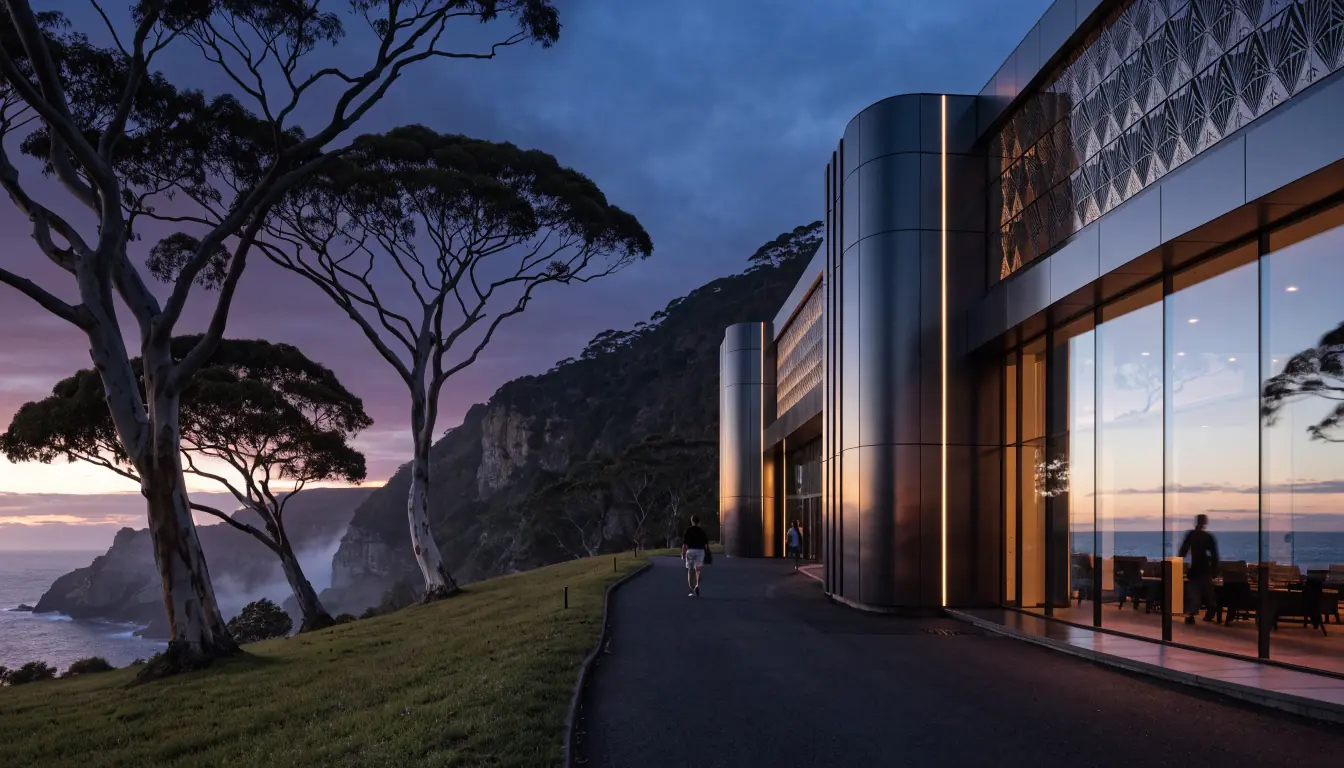
Entry requirements track the same rule that governs access to the gaming floor itself — anyone applying for a role with direct contact to gaming operations needs to meet the minimum age threshold of 18 years, the same age floor that applies to using any casino offer or promotion. Beyond that baseline, requirements vary by role: dealer positions generally involve in-house training on game procedures, while food service and hospitality roles follow the standard qualifications for those trades elsewhere.
Casino operators list current openings directly through their own careers pages rather than through a single centralised jobs board for the sector, so the most direct route to current vacancies is checking the resort’s own site rather than a third-party listing that may be out of date.
What this doesn’t cover
This section is about what’s on the plate and who’s behind the counter — not about which restaurant concepts a resort runs (that’s covered separately), nor about the legal and licensing framework that shapes how a casino resort is allowed to operate its business, including hiring and development, which sits in the next section. If you’re trying to work out whether a listed casino is worth your time as a customer rather than an employer, that judgment on this site tracks bonus transparency, cashout speed, customer care and licensing integrity — the same four criteria applied across every listing, independent of what’s on the breakfast menu.
Casino Development, Employment and Regulatory Landscape
Land-based casino operations in Western Australia sit at the intersection of several regulatory layers, and understanding who oversees what matters more than any single fact about a development project or a job number. Australia has no single overarching statute or single overarching gambling authority. Regulation is split between state and territory bodies, which license and supervise physical venues, and federal bodies, which deal with matters that cross state lines — most importantly, anything delivered online.
Who actually regulates what
At the federal level, the Australian Communications and Media Authority (ACMA) enforces the Interactive Gambling Act 2001, the law that governs how gambling services can be delivered electronically to people in Australia. ACMA does not run casino floors or approve gaming machines on-site — its remit is the online layer, not the physical venue.
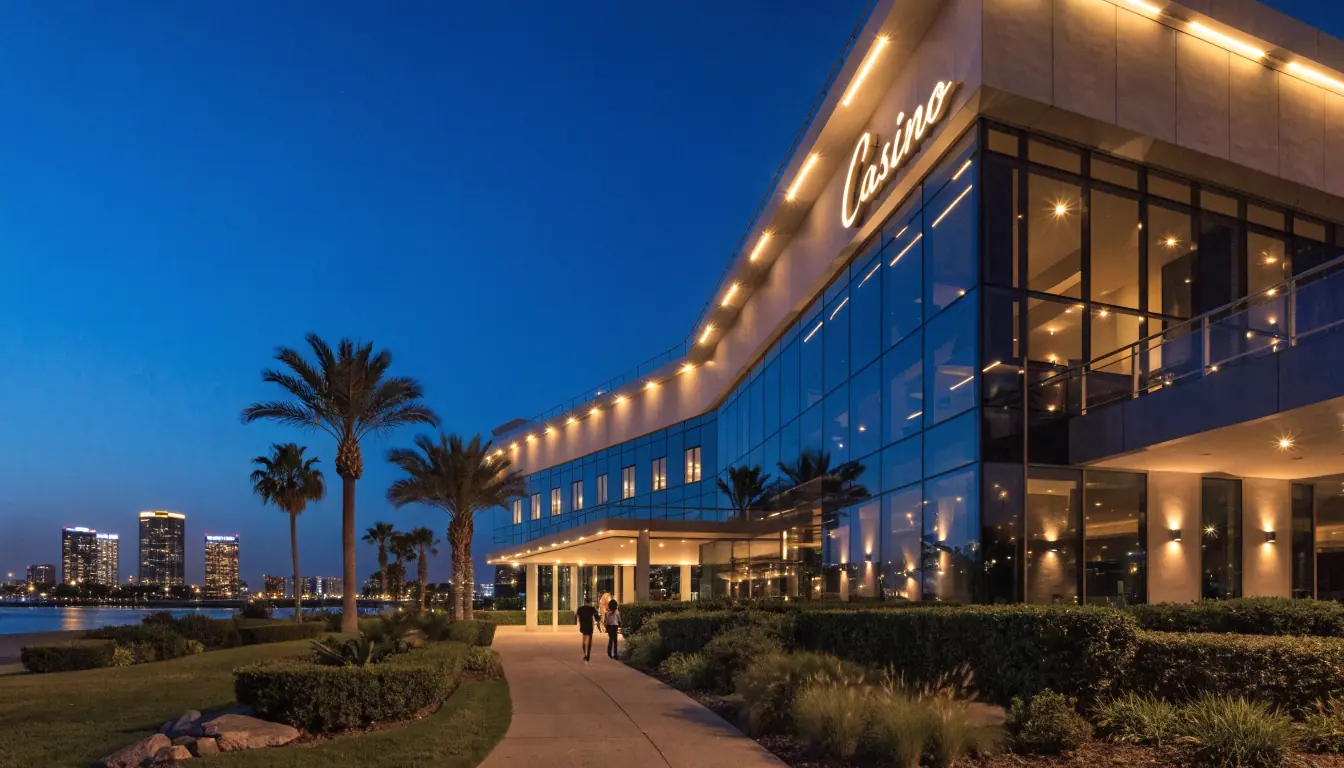
A separate federal-adjacent complication comes from the Northern Territory Racing Commission (NTRC). It is described as Australia’s de-facto online gambling regulator, because it licenses most of the national online bookmakers that operate under its lower tax regime. This matters for anyone trying to work out which authority actually stands behind a given betting or gaming brand: a company can be licensed in one jurisdiction while operating services that are marketed nationally, and the NTRC’s role in that structure is functional rather than formal — it is not a national regulator by design, only by practical effect.
Western Australia’s own casino licensing sits outside both of these bodies and follows the state’s own framework for physical gaming venues. This state-level oversight is distinct from, and does not override, federal rules on how gambling can be advertised or delivered electronically.
Development and staffing
Casino properties in the state periodically undertake refurbishment and expansion work — new gaming floor layouts, updated hotel wings, additional event space. These projects are typically tied to broader efforts by venue operators to keep facilities current and to grow visitor numbers. Expansion and renovation work of this kind also tends to generate hiring across hospitality, gaming operations, security and facilities management, since a larger or refreshed property needs more staff to run day to day.

Recruitment at these venues generally spans a wide range of roles, from table games and gaming floor supervision through to food and beverage, housekeeping and guest services. Details on specific vacancies, application processes and current openings are best confirmed directly with the venue, since staffing needs shift with occupancy, seasonal demand and the pace of any construction work underway.
Why the regulatory split matters to visitors
None of this affects a visit to the gaming floor itself, which operates under the state’s licensing regime regardless of what happens federally with online gambling law. But it does mean that questions about licensing, advertising standards or online offers tied to a casino brand fall under different authorities than questions about the physical venue’s operating hours or table limits. Anyone trying to trace accountability for a specific issue — an advertisement, an online promotion, a licensing question — needs to know which of these layers applies before contacting anyone, because the state regulator and the federal regulator are not interchangeable and do not share the same jurisdiction.
Restaurant Choices Within Casino Complexes
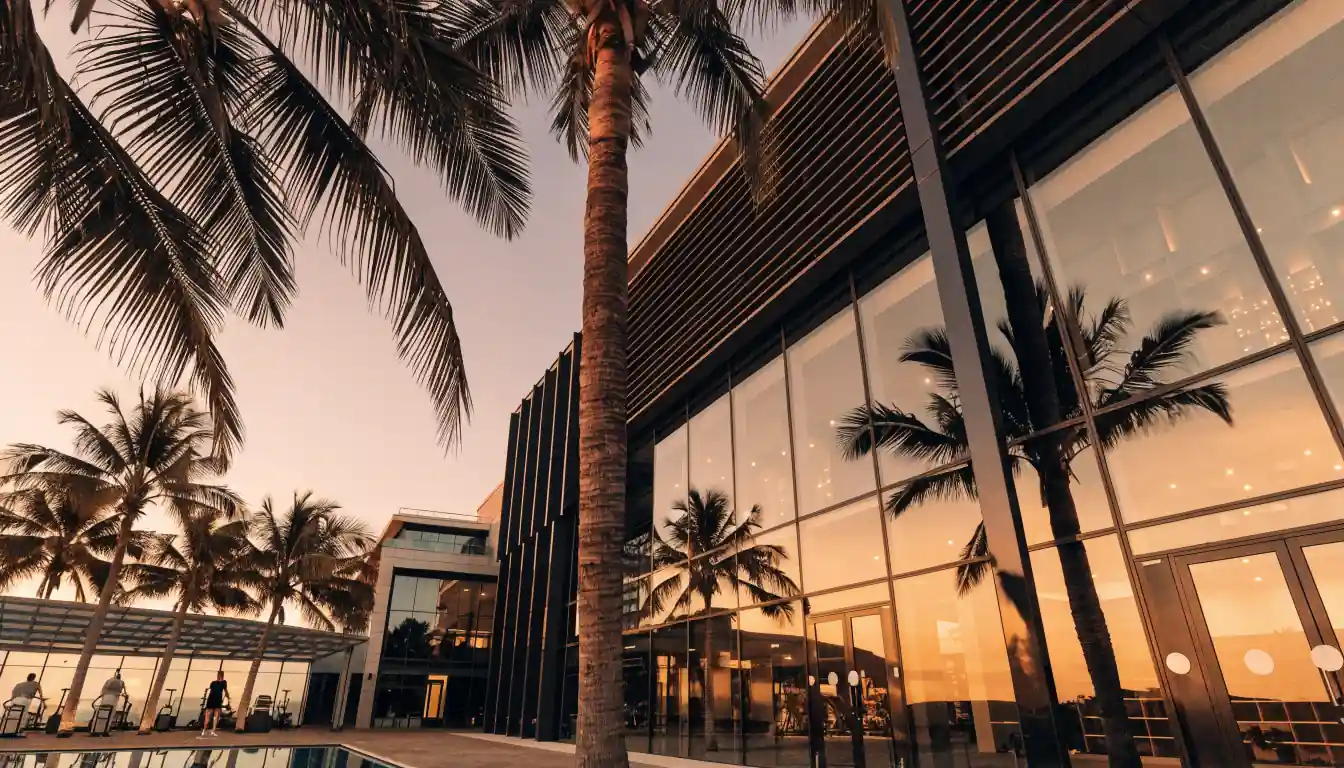
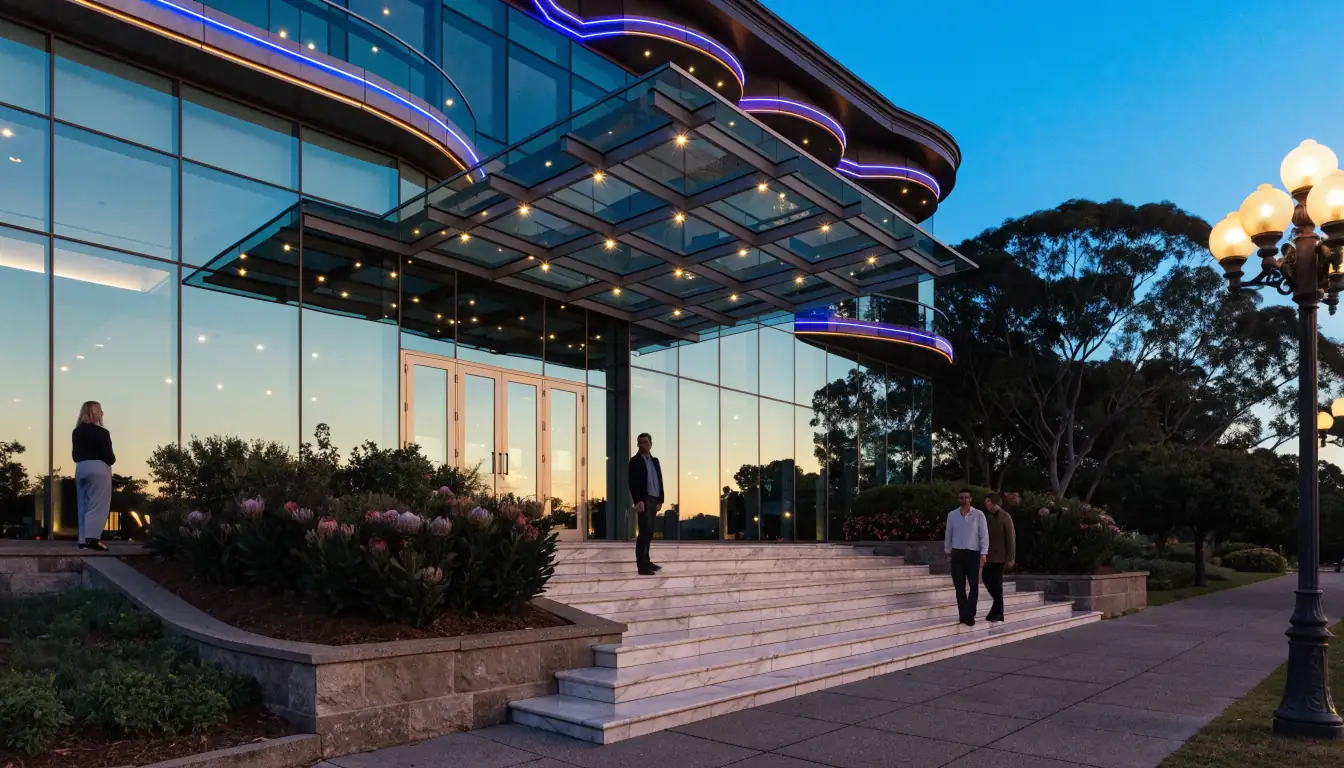
A casino complex in Western Australia rarely runs on a single kitchen. Instead, it works more like a small precinct: several restaurant concepts operating side by side under one roof, each pitched at a different visitor and a different moment of the visit. Understanding how these concepts are structured helps you plan a night out around eating well, not just around a table game.
Fine dining
At the top end sit the sit-down, reservation-driven venues: table service, a curated menu, and pricing that reflects both the ingredients and the setting. These rooms are usually positioned away from the gaming floor’s noise, sometimes with a view, and are built for a slower pace — a pre-show dinner, a celebration, or simply a proper meal before returning to the tables. Bookings are generally worth making ahead, since these spaces have fewer seats than the casual venues elsewhere in the complex.

Casual and mid-range eateries
Between fine dining and fast food sits a middle tier: bistros, grills, and Asian or Italian-leaning kitchens that don’t require a booking but still offer a full menu and table service. This is the category most people actually use on a typical visit — quick enough to fit around a session on the floor, substantial enough to count as a real meal.
Bars with kitchens
Some venues blur the line between drinking and eating: a bar menu built around shareable plates, pizzas, or steaks, served at the same counter where drinks are poured. These spots tend to stay open later than the formal restaurants, which matters if you’re eating after a late session rather than before one.
What doesn’t change between concepts
Regardless of which restaurant you choose inside a complex, a few things stay constant:
- Standalone billing. Each restaurant runs its own tab; food and drink here is separate from anything spent on the gaming floor.
- No cross-subsidy from wins. Meals are paid for like any other retail transaction — cash, card, or the venue’s own payment terminal — not offset against gambling activity.
- Age restrictions where alcohol is served. Bar-restaurants that serve alcohol enforce the same minimum age as the gaming floor.
A note on spending
Gambling losses across Australia totalled $31.5 billion in 2022–23, and per-capita betting reached AUD 9,885 in FY 2020-21 with an average loss of AUD 1,200 — figures worth keeping in mind if a casino visit is built around a meal plus a session at the tables. Restaurant spending inside a complex is a separate budget line from gaming spend, and treating the two as one figure is the easiest way to lose track of either.
If food is the main reason for the visit, checking which of the complex’s restaurants require a booking — and which don’t — before you arrive saves a wasted trip to a fully seated dining room on a busy night.
Wellness and Spa Services at Casino Resorts
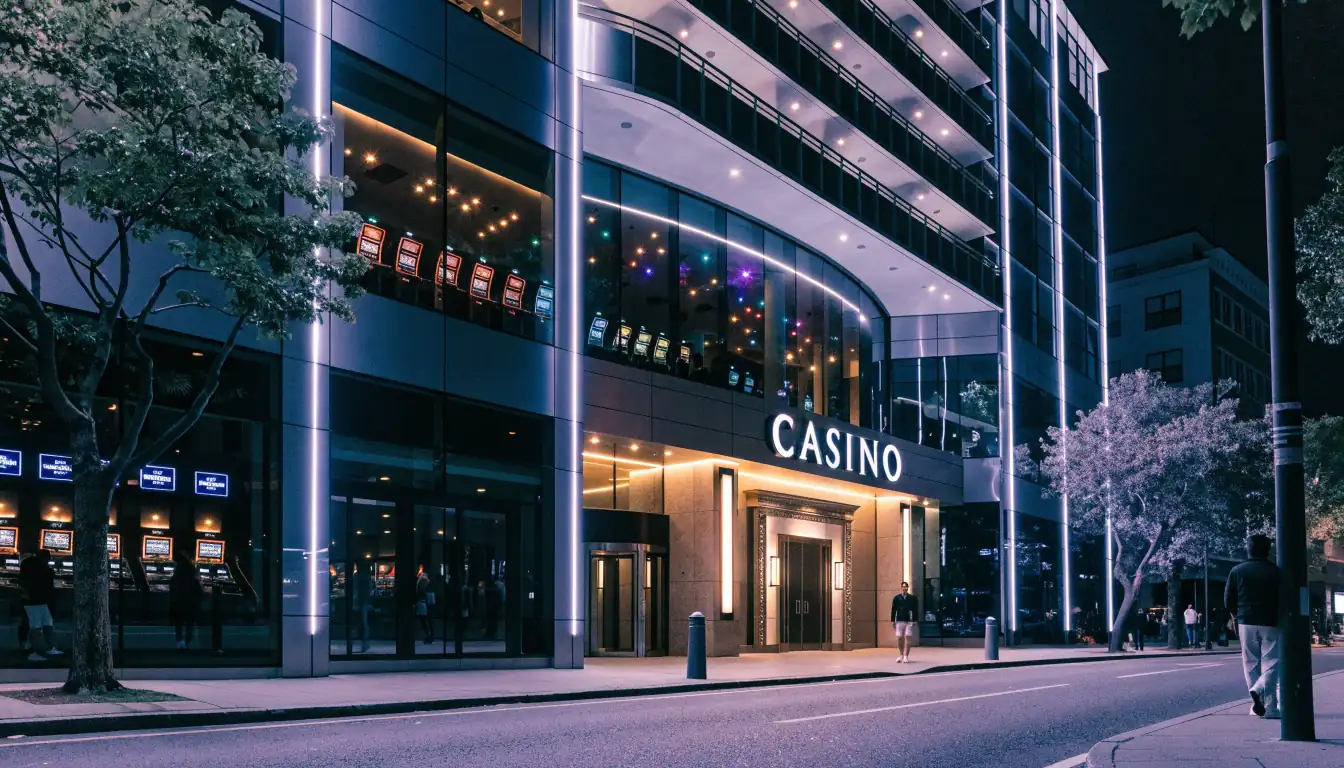
A casino resort in Western Australia isn’t just a gaming floor with rooms attached — most of the larger properties treat wellness as a separate business line, with its own staff, its own booking system and its own entrance so guests don’t have to walk through the gaming area to reach it.
What’s typically on offer
Spa facilities at these resorts generally fall into a few categories:
- Body treatments — massage therapy ranging from short relaxation sessions to longer remedial work aimed at muscle tension or recovery.
- Facial treatments — skin consultations and targeted facials, often positioned as add-ons to a longer stay rather than standalone visits.
- Water-based therapies — steam rooms, saunas and heated pools used before or after treatments, separate from the general leisure pool covered elsewhere on the property.
- Day-spa packages — bundled sessions combining two or more treatments, aimed at guests who want a half-day or full-day experience rather than a single service.
Booking is usually handled independently of hotel reservations. If you’re staying at the resort, treatments can often be added to your room account; if you’re visiting for the day, spa reception typically takes bookings directly by phone or in person, separate from the front desk.
Dress code and access
Spa areas enforce their own dress standards, distinct from the gaming floor. Robes and sandals are generally provided for use within the spa itself, and swimwear is required for shared water facilities like steam rooms or hydrotherapy pools. This is worth knowing before you go — the smart-casual or collared-shirt expectations that apply on the casino floor don’t carry over to the spa, and vice versa: you won’t be allowed onto the gaming floor in a robe.
Age and access rules
Spa treatments themselves don’t carry the same access restriction as the gaming floor, but combined resort passes or packages that bundle spa time with casino entry will still require guests to be 18 or older, since that’s the minimum age to access any casino offer or gaming area in Western Australia.
What this doesn’t include
Wellness facilities are entirely separate from any gambling product. It’s worth being clear about that distinction: online casino games, poker and in-play betting remain prohibited under federal law in Australia, so no resort spa, no matter how it markets its packages, is connected to or a substitute for online gambling services. The spa is a physical amenity you book and attend in person — nothing about it extends to an online offering.

For staffing details, treatment therapists and spa managers are usually recruited through the same channels as other resort roles, covered separately under the property’s broader hiring information rather than within spa operations themselves.
Food Courts and Pool Areas – Amenities Overview
A casino visit in Western Australia rarely stays confined to the gaming floor for the whole day, and food courts fill the gap between formal restaurant sittings and a quick bite between sessions. Expect a cluster of casual counters — think noodle bars, sandwich shops, coffee stands and quick grills — positioned near main walkways so you can eat without leaving the building or dressing up for a table booking. Portion and pricing details vary by venue and aren’t standardised across properties, so it’s worth checking on arrival rather than assuming a fixed menu.
Pool areas serve a different purpose: they’re for guests staying on-site who want downtime away from the gaming floor rather than a quick meal. Where a pool exists, it’s usually reserved for hotel guests, with towel service and sun loungers as the baseline, though hours and access rules differ between resorts.
Neither of these amenities involves any money handling comparable to gaming transactions, but if you’re testing a casino’s broader service quality as part of your own research, the same due diligence applies as elsewhere on the property — the reviewers behind Pokies Live Guide’s rankings deposit at least A$300 at each casino and test withdrawals, treating food courts and pools as part of the overall guest experience rather than isolated perks.
Check current opening hours for both before planning your day, since seasonal changes affect pool availability more than food court trading times.
How can I verify that an online casino holds a valid licence in Australia?
There is no domestic licence available for real-money online casinos in Australia, as the Interactive Gambling Act 2001 prohibits offering these games locally. If you play at an offshore-licensed operator, you can check the validity of its licence directly with the licensing authority listed on the casino’s website.
Are crypto casinos legal in Australia in 2026?
No, offering online casino style games—including crypto-based ones—to Australian residents is prohibited under the Interactive Gambling Act 2001. However, it is not illegal for you as an individual to play at offshore-licensed casinos, since the law targets operators, not players.
What is the minimum age to access casino offers in Australia?
You must be at least 18 years old to access any casino offers in Australia. Casino properties also enforce stricter ID checks at check-in than standard hotels to verify your age and identity.
What are the best online casinos in Australia for 2026?
Rankings are recalculated every week using a weighted formula that evaluates bonus generosity (30%), payout reliability (25%), game library breadth (20%), customer support responsiveness (15%), and user-submitted feedback (10%). Each listed casino is additionally scored on bonus transparency, cashout speed, customer care, and licensing integrity.