
Best Casino in Melbourne 2026: Hotels, Gaming and Amenities
- Hotel Options Near Melbourne Casino
- Poker Rooms and Gaming Facilities
- Parking and Accessibility
- Accommodation Near the Casino
- Contact Information and Licensing Details
- Buffet Services and Employment Opportunities
- Opening Hours, Development Plans and Upcoming Events
- Restaurant Choices Inside the Casino
- Spa and Wellness Services
- Food Courts and Pool Area Overview
Hotel Options Near Melbourne Casino
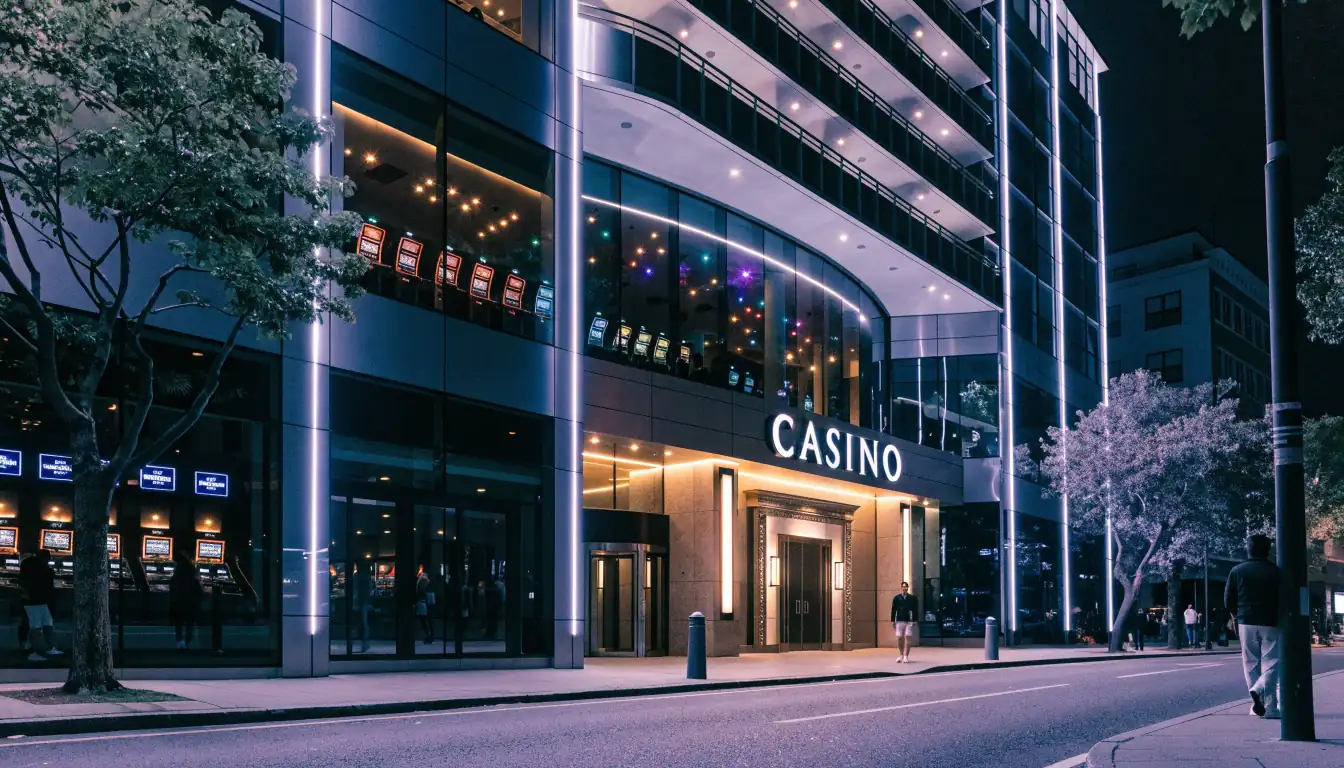
A hotel built into a casino complex works differently from one that simply happens to be nearby. The connection is structural: lifts run directly from guest floors into the gaming areas, check-in desks are positioned to route foot traffic past the floor, and room bookings often carry perks tied to gaming activity rather than standard hospitality loyalty schemes. That distinction matters if you’re choosing where to stay for a weekend built around table games or pokies, rather than a stay where the casino is just one option among many in the city.
What sets an on-site hotel apart
The core difference is access. Guests in a hotel physically attached to the casino don’t need to factor in transit time, weather, or last-entry cutoffs — the gaming floor is a lift ride away, open on the same schedule as the hotel itself. This matters more than it sounds: a session that runs late doesn’t require a taxi booking or a walk through a car park at 2am. You go up, not out.
Since online options often outshine what’s available on the ground in Melbourne, it helps to see how these platforms stack up on licensing, bonuses, and payout speed before you commit any money.
License: Curacao · Bonus: 100% up to A$500 + 200 free spins, 10x wagering · Payout speed: crypto 30-60 minutes, fiat 1-5 days · Min. deposit: A$10 Licensed in Curacao, Wild Tokyo pairs a solid welcome bonus with free spins and a low A$10 minimum deposit, while crypto users can expect payouts within an hour.
Bonus: up to A$7,500 + 550 free spins across 10 deposits, 50x wagering · Payout speed: crypto under 1 hour, PayID 1-3 business days · Min. deposit: A$20 (A$30 to qualify for the bonus) Ricky Casino offers one of the more substantial multi-deposit bonus packages around, with free spins included, and crypto withdrawals processed in under an hour.
License: Curacao eGaming OGL/2024/923/0383 (Antillephone N.V.) · Bonus: up to A$2,000 + 100 free spins across 2 deposits · Min. deposit: A$30 WinSpirit Casino holds a Curacao eGaming license and backs its two-deposit bonus with free spins, all accessible from a modest A$30 minimum deposit.
License: Tobique Gaming Commission · Bonus: up to A$8,000 + 400 free spins across 4 deposits · Payout speed: crypto ~10-15 minutes, fiat 1-5 days · Min. deposit: A$30 Licensed through the Tobique Gaming Commission, SkyCrown offers a large four-deposit bonus with free spins and notably fast crypto payout times.
License: Curacao · Bonus: up to A$10,000 multi-stage + 500 free spins · Min. deposit: A$20 (POLi) Lucky Dreams runs a Curacao license and a multi-stage bonus worth up to A$10,000 alongside free spins, with POLi deposits starting at A$20.
License: Curacao eGaming (Hollycorn N.V., since 2017) · Bonus: 225% up to A$1,540 + 600 free spins across 4 deposits, 20x wagering · Min. deposit: A$20-30 (depends on the offer) Operating under a long-standing Curacao eGaming license, Playfina Casino spreads a generous percentage bonus and free spins across four deposits.
License: Curacao Gaming Control Board OGL/2023/176/0095 (Hollycorn N.V.) · Bonus: up to A$5,000 + 300 free spins across 4 deposits Rollero Casino is licensed by the Curacao Gaming Control Board and offers a sizeable bonus with free spins spread across four deposits.
License: Curacao eGaming (Roby Games Ltd) · Bonus: 100% up to A$750 + 200 free spins Roby Casino holds a Curacao eGaming license and offers a straightforward welcome bonus with free spins included.
Bonus: 100% up to A$750 + 200 free spins, 35x wagering · Payout speed: crypto 30-120 minutes, fiat 24-72 hours · Min. deposit: A$30 MrPacho combines a welcome bonus with free spins and stands out for quick crypto and fiat payout turnaround, backed by a A$30 minimum deposit.
License: Curacao eGaming OGL/2023/174/0082 (Dama N.V.) · Bonus: up to A$10,000 + 500 free spins across 4 deposits · Min. deposit: A$15 LevelUp Casino is licensed under Curacao eGaming and offers one of the larger four-deposit bonus packages, with an accessible A$15 minimum deposit.
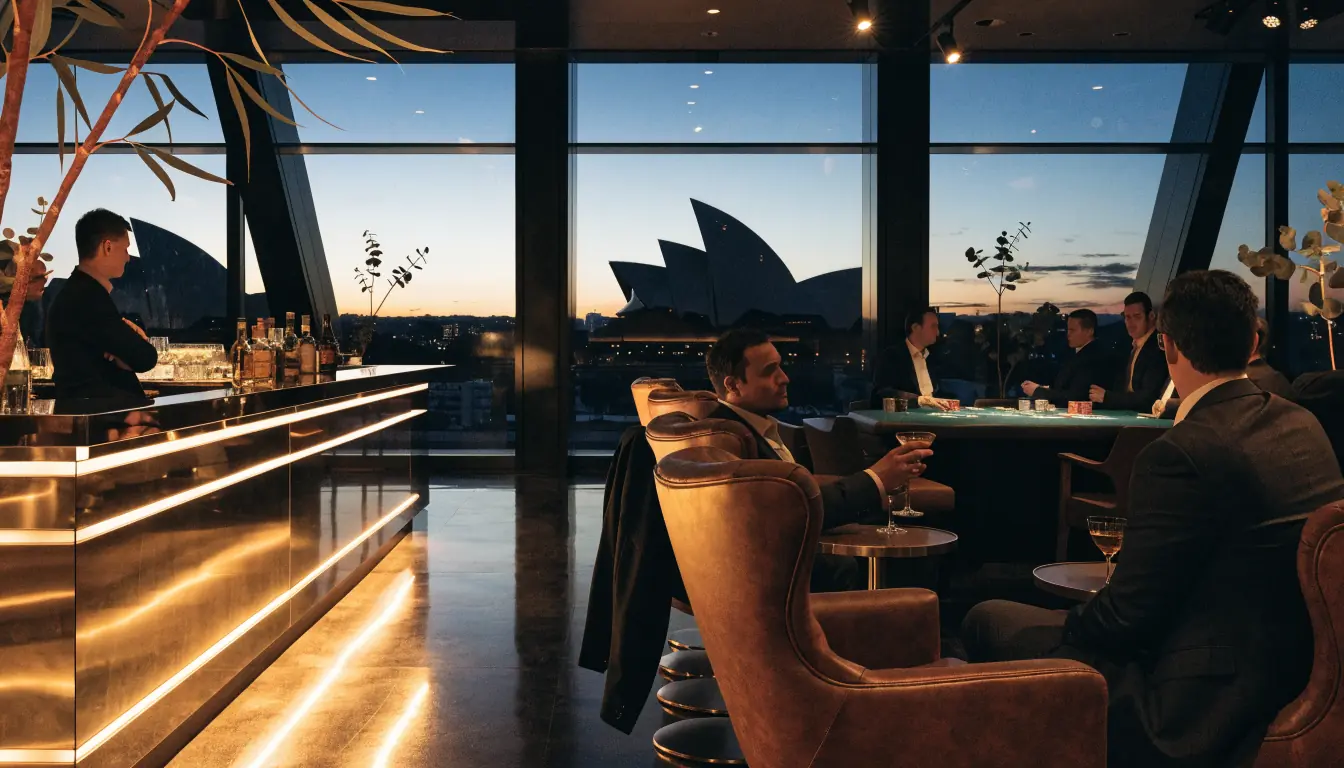
Room tiers in these properties tend to be structured around proximity and floor level rather than just square metreage. Higher floors, away from the noise of the casino podium, are marketed as the quieter option; lower floors closer to the gaming and event levels are pitched at guests who want minimal distance between bed and blackjack table. Neither is inherently better — it depends on whether you’re there to gamble late and sleep in bursts, or use the room as a genuine retreat between sessions.
Deals and how they’re structured
Room rate deals linked to the casino property are frequently bundled rather than sold as plain discounts. A published nightly rate might come with a dining credit, a late check-out, or entry to an event tied to the casino calendar — the deal is in the bundle, not necessarily in the headline price being lower than a comparable hotel across town. It’s worth comparing the all-in cost against a standalone city hotel plus a taxi fare, rather than comparing headline rates alone, because bundled inclusions can shift the real value either way.
Some packages are pitched around "gaming credit" or similar wording, where part of the stay’s value returns to you as play credit rather than cash. That’s a different product from a cash discount, and it’s worth treating it as such — credit tied to the gaming floor only has value if you were going to use the floor anyway.
Age and access requirements
Booking a room does not bypass the entry requirements of the casino itself. Anyone accessing the gaming floor, including hotel guests, must be 18 years of age or older, and this applies regardless of what’s included in a room package. A family or group booking that includes guests under 18 can use the hotel accommodation itself, but the gaming areas remain restricted by age regardless of the reservation.
What the room rate doesn’t tell you
Australians gambled AUD 244.3 billion in bets across 2022–23, and turnover of that scale is part of why casino-linked hotel rooms are priced and packaged the way they are — the room is one part of a business built primarily around time spent on the floor, not overnight stays. Per-capita betting sat at AUD 9,885 in the 2020–21 financial year, against an average loss of AUD 1,200, which gives some sense of the gap between money wagered and money actually lost — a gap that hotel package pricing tends to be built around, since operators can afford to discount rooms heavily when the floor is the real revenue driver.
It’s also worth knowing that any winnings from a session during your stay aren’t taxed in Australia — there’s no need to set aside a portion for tax reporting, which isn’t the case in some other markets. That doesn’t change how a room is priced, but it does mean the number you walk away with, if any, is the number you keep.
Gambling-related revenue made up 7.7% of state and territory tax revenue in 2015–16, a reminder that these properties are woven into state finances in ways that shape everything from opening hours to how aggressively rooms get discounted during quieter periods. None of that shows up on a booking page, but it explains why casino hotel pricing often behaves differently from the rest of the hotel market in the same city.
Age Requirement
You must be 18 years or older to enter any gaming floor, poker room, or sports bar. Under‑age guests may use the hotel accommodation but cannot access the gambling areas.
Poker Rooms and Gaming Facilities
Walk past the main gaming floor and the poker room reads differently from everything around it. Where the pokies areas run on constant motion and ambient noise, the poker tables are set apart in their own section, laid out so dealers, rails, and players have working space instead of a squeeze between machines. That separation is deliberate: cash games and tournament play need sightlines and quiet that a slots floor doesn’t offer, and the room is built around that requirement rather than around foot traffic.
The tables themselves are arranged in rows with dealer stations, and the room typically runs a mix of cash game tables alongside a tournament schedule. If you’re asking whether poker tournaments are running on a given day, the honest answer is that scheduling shifts week to week, and the only reliable way to confirm what’s on is to check directly with the venue before you go — this section won’t invent a fixture list where none is published.
How the poker room differs from the rest of the floor
- Table games and pokies: high density, self-contained machines, no dealer interaction required, players move freely between machines.
- Poker room: dealer-run tables, structured seating, tournament clocks and blind schedules where events are running, staff dedicated to the room rather than shared across the floor.
- Sports bar area: built for watching racing and sport with betting terminals nearby, a different rhythm again — social, screen-facing, not built around sustained hands of cards.
The sports bar sits as its own zone rather than an extension of the poker room. It’s set up for people who want vision of multiple screens and quick access to betting windows, and the seating reflects that — bar stools and standing rails rather than the fixed tournament seating you’ll find in the poker section. If your interest is watching a race while having a drink rather than sitting down to play, that’s the area built for it, and it’s a genuinely separate space from where the cards are dealt.
What the layout tells you about who’s playing
Australian gambling participation skews toward regular, habitual play rather than occasional visits — 38% of Australian adults gambled at least once a week as of 2022 — and a dedicated, purpose-built poker room reflects that kind of return custom. It’s not a novelty corner; it’s built for players who come back on a schedule, which is why the room has its own staff, its own furniture, and its own pace separate from the general floor.
It’s worth being direct about who that floor is legally open to. Gambling participation among under-18s in Australia is not negligible — close to a third of 12–17-year-olds and nearly half of 18–19-year-olds report gambling in some form — which is exactly why casino floors, including poker rooms, run strict age checks at every entry point. Anyone under 18 has no access to the gaming floor, the poker room, or the sports bar, regardless of who they’re with.
Rooms are directly linked to the casino floor, often include gaming credits or dining vouchers, and provide lift access to the gaming areas.
Dealer‑run tables with tournament schedules, separate from the noisy slots area, and strict age checks at entry.
Casual seating with multiple screens for live sport and betting terminals, offering a social vibe distinct from both the hotel and poker room.
A note on how rankings like this one get built
If you’re comparing this casino’s gaming facilities against others as part of deciding where to play, it helps to know how a ranking claim like "best" gets calculated in the first place. Rankings on this site are recalculated weekly using a weighted formula: bonus generosity counts for 30%, payout reliability for 25%, game library breadth for 20%, customer support responsiveness for 15%, and user-submitted feedback for 10%. That formula is built for comparing gambling operators as products — bonuses, payouts, game libraries — not for scoring a physical poker room’s felt and lighting, which is a separate, harder-to-quantify judgment based on what the room actually offers when you sit down at it.
Parking and Accessibility
Getting to a casino in Melbourne is straightforward, but the practical question most visitors actually have is what it costs to park, how the structure works, and whether public transport is a better call. None of that depends on what’s happening inside the building — it’s a separate logistics problem, and worth treating as one.
What to expect from on-site parking
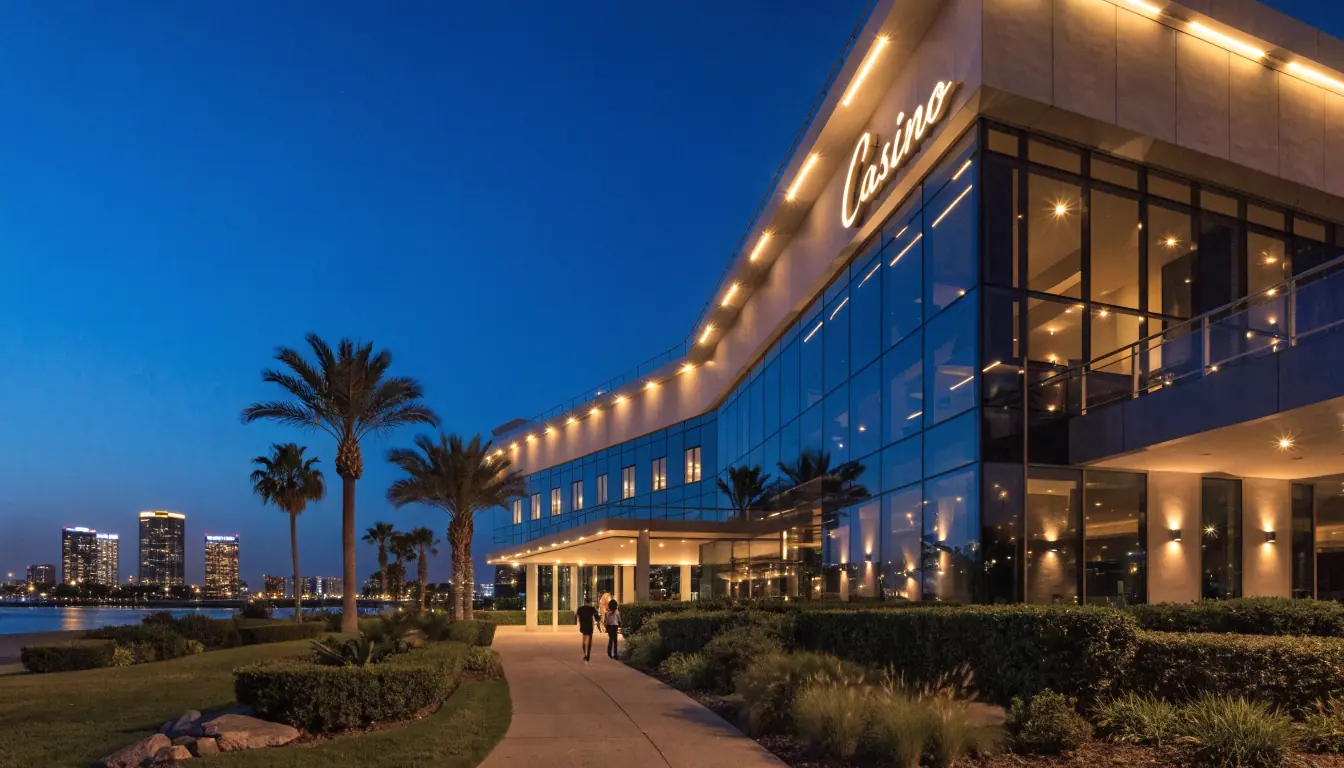
Large casino complexes in Melbourne typically operate multi-level parking structures directly attached to the building, with separate zones for general parking and valet drop-off. Valet service usually means handing the car over at a designated entrance and having it retrieved on request, which matters most during peak evening hours when the general structure fills up and circling for a spot wastes more time than the valet fee would.
Whether parking is free depends on duration and entry point — some structures offer a grace period for short visits, while longer stays or peak-time entry are charged. Rates and validation rules change often enough that the only reliable way to confirm current terms is checking signage at the entry boom gate or the casino’s own parking page before you drive in, rather than relying on what a previous visit or a review told you.
Getting there without a car
Melbourne’s public transport network reaches most central casino precincts via tram and train, with the nearest station or tram stop typically a short walk from the main entrance. For visitors staying elsewhere in the city, this is often faster than driving, since it avoids both traffic on approach roads and the wait for a parking spot during busy periods — weekend evenings especially.
Rideshare and taxi drop-off points are usually located near the main entrance, separate from the valet lane, to keep traffic moving. If you’re being picked up rather than dropped off, it’s worth confirming the designated pickup zone in advance, since large complexes often route rideshare traffic differently from general vehicle drop-off to manage congestion at the front doors.
Accessibility provisions
Accessible parking bays are generally located close to lift access points within the structure, and accessible entrances are typically signposted separately from the main pedestrian flow. If you need step-free access to gaming floors, dining areas, or hotel lobbies covered elsewhere in this guide, it’s worth confirming lift locations relative to where you’ve parked, since large complexes can involve a longer walk between the car park and the specific area you’re heading to than the entrance alone suggests.
A practical note on planning your visit
None of this changes the legal reality that governs how gambling actually works in Australia once you’re inside — that’s a separate matter from parking and transport. What’s relevant here is simply that reaching the building efficiently is a logistics question, not a gambling one. If your primary interest is online play rather than a physical visit, it’s worth knowing upfront that the situation differs sharply from walking into a venue: the Interactive Gambling Act prohibits the provision of online casino games to Australian residents, and sources disagree on whether this stems from the 1997 Act or its 2001 successor — but either way, no domestically licensed real-money online casino exists for Australians to use, on-site parking arrangements notwithstanding.
Parking Rates
Parking rates and validation rules change frequently, so always check the signage at the entry boom gate or the casino’s official parking page before you arrive.
For anyone weighing a physical visit against staying home, the practical takeaway is this: transport and parking logistics for the venue itself are well established and manageable with basic planning, while the online alternative isn’t a licensed option at all, regardless of how convenient it might look.
Accommodation Near the Casino
Not every visitor wants to book the casino’s own tower. Melbourne’s Southbank and the surrounding CBD carry a dense cluster of independent hotels and serviced apartments that sit within a short walk of the gaming floor, and the reasons to pick one of those instead usually come down to price flexibility, room configuration, or simply wanting distance from the casino’s foot traffic at night.
Serviced apartment operators in Southbank tend to offer longer-stay rates and self-catering kitchens, which the on-site hotel does not prioritise since its rooms are built around short gaming trips. If you’re staying multiple nights and want to cook rather than rely on room service or the casino’s dining floors, an apartment-style booking nearby is the more practical fit.
What differs from the on-site hotel
- Booking flexibility — independent hotels list on standard travel platforms, so rate comparison and cancellation terms are visible upfront rather than bundled into a casino loyalty program.
- Distance to the gaming floor — most alternatives are a five-to-fifteen-minute walk along the Yarra promenade rather than a lift ride, which matters if you want a genuine break between sessions.
- Room mix — family rooms, twin-share, and extended-stay apartments are more common outside the casino’s own tower, which skews toward standard and premium hotel rooms.
- Loyalty tie-in — staying off-site means no automatic linkage to the casino’s rewards tiers, so any perks tied to gaming spend won’t apply to the booking itself.
Choosing based on what you’re actually doing
If the trip is centred on the poker room or the gaming floor, staying inside the complex removes the walk and keeps you inside the loyalty ecosystem for that visit. If the trip is broader — a weekend that includes the Arts Centre, riverside dining, or business meetings in the CBD — a nearby hotel usually offers better value for the non-gaming hours, since you’re not paying a premium tied to casino foot traffic.
Price is worth checking directly with each property rather than assuming Southbank listings are cheaper by default; proximity to a major venue can push rates up during events regardless of which hotel chain is behind the property.
A note on where this sits legally
None of this changes what’s permitted online. Staying near a physical casino in Melbourne is unrelated to the separate question of online gambling, which remains governed federally by the Interactive Gambling Act 2001. That law does not touch hotel bookings or physical gaming venues — it addresses interactive services offered over the internet, and under it there are no domestically licensed real-money online casino operators available to Australian players. It is illegal to offer online casino gambling in Australia, and no licence exists that would make that possible domestically. Booking a room near Melbourne’s casino, in other words, is a straightforward accommodation decision; it carries none of the legal ambiguity attached to online casino access, because the two sit under entirely different rules.
Practical booking notes
- Check whether breakfast or parking is bundled into the room rate — nearby independent hotels vary widely on this, unlike the casino’s own packages.
- Confirm walking distance rather than relying on “near casino” marketing language, since some properties advertised as central are a longer walk than they suggest.
- If travelling for a specific event at the casino, book early — rooms in the immediate vicinity fill first when the complex has something scheduled.
Contact Information and Licensing Details
Finding a way to reach the venue directly matters more than it seems once you’re past the general listings and need a specific answer — a booking confirmation, a lost item, a question about an event. The casino operates its own guest services line and a general enquiries channel, alongside the front desk for anyone arriving in person. If you’re trying to confirm details before a visit, calling ahead remains the most reliable option, since staff can answer questions that a website FAQ typically can’t.
The physical address sits at the heart of Melbourne’s Southbank precinct, on the Yarra River, and is the reference point used across every mapping service and rideshare app. Anyone searching for the site by name rather than street number will find it without difficulty, as it’s one of the largest single buildings in the area.
Who actually regulates this
There’s a detail worth understanding before treating any "licensing" claim at face value: Australia has no single overarching statute or single overarching gambling authority. Regulation is split between state/territory bodies and federal law, and a physical casino like this one is licensed and supervised at the state level, not by a single national body. This differs sharply from how online gambling is treated.
Overspending Risk
Bundled room packages may look cheap but can hide high gaming credit costs; make sure the total value fits your budget before you book.
At the federal level, the Australian Communications and Media Authority (ACMA) enforces the Interactive Gambling Act 2001, which governs interactive (online) gambling services rather than land-based venues. Separately, the Northern Territory Racing Commission (NTRC) functions as Australia’s de-facto online gambling regulator, since it licenses most national online bookmakers who benefit from lower tax rates there. Neither of these two bodies is the authority overseeing the physical casino floor itself — that oversight sits with the relevant state gaming regulator, distinct from the federal and NT-based frameworks that apply to interactive betting.
This distinction matters if you’re comparing what you read about the casino’s table games and pokies to anything you might find about online casino offers: the two are regulated through entirely different channels, and one framework doesn’t vouch for the other.
What this means for you as a player
A few practical points follow directly from the regulatory structure:
- Age requirement. Access to gambling areas and any casino offers requires being 18 years or older — checked on arrival, not assumed.
- Winnings are not taxed. Any amount won at the tables or on the pokies floor is yours in full; Australia does not tax gambling winnings.
- No single licence number covers everything. Because oversight is split between state and federal levels, there isn’t one licence reference that answers every regulatory question about the venue — different aspects of operation answer to different bodies.
If you need to escalate a complaint beyond what venue staff can resolve, the appropriate body depends on what the complaint concerns — venue conduct falls under state-level oversight, while anything related to interactive or online betting services would fall under ACMA’s remit instead. Knowing which body actually governs the issue you’re raising saves time that a generic enquiry line can’t.
Buffet Services and Employment Opportunities
A buffet inside a large casino resort runs on a different logic than a standalone restaurant. It has to serve a constant stream of people at unpredictable hours, hold food at safe temperature across multiple stations, and rotate menus fast enough that a regular visitor doesn’t see the same tray twice in a week. That’s a supply-chain problem as much as a culinary one, and it shapes what you actually get on the plate.
Breakfast service is the clearest example. A casino buffet built for breakfast has to be ready before most restaurants in the building open, because gaming floors don’t close on a schedule that matches typical dining hours. That means separate kitchen staff, separate stock, and a layout designed so a breakfast crowd and a lunch crowd don’t collide over the same stations. If you’re planning a morning visit specifically to eat before or after time on the floor, check the posted service windows directly with the venue — buffet hours shift more often than table-restaurant hours because they’re tied to occupancy patterns rather than a fixed dinner service.
Smart Booking
Choosing a hotel package that includes gaming credit can significantly reduce your overall spend while still giving you full access to the casino floor.
Pricing structures and any tie-in with a rewards program are set by the operator and change without much public notice. Nothing here should be read as confirmation of current rates, inclusions, or loyalty tier benefits — verify those directly before you factor them into a visit.
Employment in food and beverage
A casino resort’s food and beverage division is one of its largest employers, simply because of the number of outlets running at once — buffet stations, bars, sit-down restaurants, and banquet or event catering all draw from overlapping staff pools. Roles typically span:
- Kitchen positions — line cooks, buffet chefs, pastry staff, and kitchen porters, usually rostered across rotating shifts to cover extended service hours.
- Front-of-house roles — buffet attendants, hosts, and servers responsible for table turnover and station replenishment.
- Bar and beverage staff — separate from restaurant service, often certified for responsible service of alcohol as a condition of employment.
- Supervisory and management roles — shift leads and food and beverage managers overseeing multiple outlets rather than a single kitchen.
Casino resorts of this size generally advertise open positions through their own careers page rather than general job boards, since internal transfers between departments are common and HR prefers to manage applications centrally. If you’re looking for current openings, that direct channel is the most reliable starting point — third-party listings for a venue this size are often outdated or duplicated from elsewhere.
Working in a casino’s food and beverage area is a hospitality job first. It doesn’t require any gaming licence or dealer certification unless the role sits directly on the gaming floor, which buffet and restaurant positions do not. What it typically does require is availability across weekends and late shifts, since venue traffic peaks outside standard business hours.
What this has nothing to do with
None of the above touches online gambling in any form. Under the Interactive Gambling Act 2001, online casino games — slots, poker, blackjack, roulette — are prohibited at the federal level, and that prohibition targets operators, not the individuals who might otherwise look for a game. Working in a physical venue’s kitchen or dining room, or eating at its buffet, has no bearing on that law and no connection to it. Online sports betting remains legal under state and territory licensing, which is a separate regulatory track entirely from anything discussed in this section.
Online Gambling Ban
In Australia it is illegal for operators to offer real‑money online casino games to residents, so any offshore site you find is operating outside the law.
Opening Hours, Development Plans and Upcoming Events
A physical casino floor operates on a published schedule, which is the first thing that separates it from any online listing you might compare it against. Opening hours, staffing rosters, and floor maintenance windows are fixed operational facts, not marketing claims — and they matter more than most visitors expect, since a poker room or a bar can run on different hours than the main gaming floor.
This site does not operate the venue and does not publish its own version of opening times, closures, or renovation timelines. Those details change with council approvals, staffing, and seasonal demand, and the only reliable source is the casino’s own contact channels, covered separately in this guide. What belongs here is how to think about "development plans" and "events" as categories, since both terms get searched loosely and mean very different things depending on context.
Development projects
A casino complex the size of the one in Melbourne is rarely static. Floor sections get reconfigured, gaming areas get relocated, and food and beverage outlets open or close on a rolling basis. If you are planning a visit around a specific facility — a particular restaurant, a particular gaming zone — confirm it is currently operating before you travel, rather than relying on older reviews or outdated listings. Renovation work can temporarily shut access to a wing without affecting the rest of the building.
Scheduled events
Large venues typically run a calendar of entertainment, promotions tied to the floor, and hospitality bookings. None of the specific dates or offers for such events are listed here, because they change on a schedule this guide does not control and cannot verify week to week. What can be said with confidence is that any age-gated promotion — tickets, entry, or floor access tied to gaming areas — applies only to visitors 18 years of age or older, in line with the minimum age requirement that governs all casino offers on this market.
Why this differs from online rankings
It’s worth being precise about what "reopening" or "opening hours" means in this context, because the phrase gets used in two unrelated situations. One is the physical venue’s daily schedule — when doors open, when the floor closes, when a section reopens after works. The other is a search habit carried over from online casino comparisons, where rankings are recalculated on a weekly basis using a weighted formula: bonus generosity carries the largest weight, followed by payout reliability, game library breadth, customer support responsiveness, and user-submitted feedback. That scoring system has nothing to do with a building’s opening hours — it applies to how licensed operators are compared against each other, each one scored on bonus transparency, cashout speed, customer care, and licensing integrity. Confusing the two leads to expecting a physical casino’s hours to update like an online ranking table. They don’t; one changes weekly by formula, the other changes by staffing and construction schedules that only the venue itself can confirm.

Restaurant Choices Inside the Casino
The casino floor separates its sit-down restaurants from the buffet and food-court areas by design: these are booking-required spaces with table service, distinct menus, and a slower pace built for a meal rather than a quick bite between pokies sessions. Where the food court answers "what’s fast," the restaurants answer "where do you take someone for a proper dinner."
What sets these venues apart
Sit-down restaurants inside a casino complex typically cluster by cuisine and price point rather than sitting in a single row like food-court stalls. Expect a spread that usually includes:
- Fine dining — a single flagship restaurant with a tasting-menu format, open kitchen views, and a wine list built for pairing rather than volume.
- Asian cuisine — often more than one venue, covering Cantonese-style seafood and pan-Asian menus, usually with private dining rooms for groups.
- Steakhouse-style grills — cuts served with a fixed set of sauces and sides, aimed at a slower, heavier meal than anything the food court offers.
- Italian or Mediterranean options — pasta and shared-plate formats, generally positioned as a mid-tier price point between the food court and the flagship fine-dining room.
- Bar-and-grill hybrids — table service with a shorter menu, functioning as the middle ground between a full restaurant booking and a casual buffet visit.
Ambience is the real differentiator here. Sit-down restaurants on a casino floor are built to feel separate from the gaming areas — dimmer lighting, enclosed or semi-enclosed seating, and table service that doesn’t rush you back to the machines. That’s a deliberate contrast to the buffet, which is designed for turnover, and the food court, which is designed for speed.
Booking and access
These restaurants generally take reservations directly or through the casino’s own booking channels rather than walk-up seating, which matters if you’re planning a night that also includes a poker session or a show — book the table before you sit down at a machine, not after.
A note on the money behind the tables
None of this dining infrastructure exists in isolation from the gambling floor it sits on. Gambling revenue made up 7.7% of state and territory taxation revenue in 2015–16, and that tax base is part of what funds the scale of amenities — restaurants included — that a large casino complex can support. It’s also worth knowing, if you’re weighing up a win over dinner, that gambling winnings are not taxed in Australia, so whatever you walk away from the tables with is yours in full before you settle the bill.
Who’s eating here
Restaurant patronage on a casino floor isn’t limited to high rollers. Nearly 46% of 18–19-year-olds in Australia engage in gambling, and dining venues inside these complexes see a correspondingly broad range of ages among adult visitors — a reminder that access to both the floor and its restaurants is restricted to those 18 and over, checked at entry rather than at the table.
If you’re choosing between the sit-down restaurants and the buffet covered elsewhere on this page, the decision usually comes down to time and occasion: a booked table for a proper meal, or a self-serve spread for something faster.
Spa and Wellness Services
A gaming floor runs on adrenaline; a spa runs on the opposite. That contrast is the whole point of putting wellness facilities inside a casino complex — they give you a place to step away from the tables without leaving the building, and to come back with a clearer head instead of a tired one.

The wellness area typically includes treatment rooms for massage and body treatments, a sauna and steam facilities, and a relaxation lounge separate from any bar or lobby seating. None of this is designed to replace a meal or a night’s sleep — those needs are covered by the restaurant floors and the on-site hotel respectively. What the spa does instead is fill the gap between sessions: an hour or two where you’re neither playing nor eating nor checking out, just resetting.
Dress code and booking practicalities
Robes and slides are standard inside treatment areas, so there’s no need to bring your own. Casino floor dress codes don’t apply once you’re inside the spa itself, but they do apply again the moment you head back to the gaming rooms — smart-casual is the safe default, and singlets or thongs generally won’t get you past the doors.
Bookings work like any hotel spa: you reserve a slot, arrive with time to change, and the treatment runs on a fixed clock. If you’re staying in the on-site hotel, ask at check-in whether spa access is bundled with your room — some accommodation tiers include it, others don’t, and it varies enough that it’s worth confirming rather than assuming.
Why this matters more in a casino than a hotel
Gambling sessions can run long, and fatigue is one of the things that pushes decision-making in the wrong direction. Around 80,000 to 160,000 Australian adults experience significant gambling problems, and length of session is one of the practical levers a player can control. A sauna break or a massage isn’t harm minimisation in any formal sense, but it is a built-in reason to physically leave the floor, which is more than most gaming environments offer by design.

This has nothing to do with online play. The Interactive Gambling Act 1997 — some sources cite it as the 2001 Act, and the two dates appear inconsistently across official material — prohibits Australian-facing online casino games, though it targets operators rather than the players who use offshore-licensed sites. A physical spa attached to a licensed venue like this one sits entirely outside that debate; it’s a service tied to a bricks-and-mortar casino, not a workaround for anything restricted online.
If wellness time matters to your visit, treat it as part of the schedule rather than an afterthought — book before you sit down at a table, not after you’ve already lost track of the hour.
Food Courts and Pool Area Overview
For a quicker stop between gaming sessions, the food court sits apart from the sit-down restaurants and the buffet, offering counter-service options with no booking and no dress code. It suits a short break rather than a planned meal: grab something, eat it, get back to the floor. This is the layer of casino food in Melbourne that moves fastest and costs least, aimed at volume rather than occasion.

The mix leans toward familiar quick-service formats — the kind of stalls you’d expect in any large entertainment complex, covering a spread of cuisines at a pace built for foot traffic rather than lingering. It’s a practical answer to casino food Melbourne visitors ask about when they want something functional between hands of poker or a run on the pokies, not a dining event.
The pool area sits adjacent to this casual zone, functioning as a wind-down space rather than an extension of the gaming floor. It’s a separate amenity, generally tied to hotel guest access rather than open to every visitor walking in off the street, and it doesn’t overlap with the spa facilities covered separately — this is open-air relaxation, not treatment-based wellness.
Neither the food court nor the pool is where the real money moves. Australians placed bets totalling $244.3 billion in 2022–23, with losses reaching $31.5 billion over the same period — figures that put the scale of what happens on the gaming floor into perspective against a coffee and a sandwich by the pool.
Are crypto casinos legal in Australia in 2026?
The Interactive Gambling Act 2001 prohibits offering online casino games to Australian residents, and it is illegal to operate or obtain a domestic licence for an online casino. It is not illegal for individual Australians to play at offshore-licensed casinos, as the law targets operators, not players.
Is online gambling legal in Australia?
Online sports betting is legal under state or territory licences, but online casino games, poker, and in-play betting are prohibited federally under the Interactive Gambling Act 2001. The law targets operators, so it is not illegal for individuals to play at offshore-licensed casinos.
How do I claim a bonus at a bitcoin casino?
Casino rankings weigh bonus generosity at 30% and score each operator on bonus transparency, so you should verify the specific terms attached to any crypto bonus before claiming. Some packages return value as play credit rather than cash, which only benefits you if you plan to use the gaming floor anyway.
How safe are my funds at a crypto casino?
There are no domestically licensed real-money online casino operators available to Australian players, meaning any crypto casino you access operates offshore. Reviewers test safety by depositing at least A$300 and evaluating cashout speed, payout reliability, and licensing integrity before scoring an operator.