
Best Casino in Canberra: Rules, Games and Amenities

- Casino Operations and Regulatory Framework in Canberra
- Casino‑Attached Hotels in Canberra
- Gaming Areas: Poker Rooms and Fitness Facilities
- Core Casino Offerings: Games, Bars, and Events
- Parking and Accessibility Options
- Nearby Accommodation Outside the Casino
- Food Services, Buffets, and Employment Opportunities
- Wellness and Spa Services
- Restaurant Choices Within and Around the Casino
- Food Courts, Pools, and Additional Amenities
Casino Operations and Regulatory Framework in Canberra
A physical casino has operated in Canberra for decades, and any review of it in 2026 needs to start from a distinction that most search results blur: what happens on the gaming floor of a licensed, bricks-and-mortar venue is a completely different legal category from online casino play. The two are governed by separate rules, and confusing them leads to bad decisions.
The Canberra casino operates under a territory-issued licence, with day-to-day conduct of table games, pokies, and related services falling under Australian Capital Territory oversight rather than federal law. This is why the venue can legally run poker tables, blackjack, and slot machines on-site — a state or territory licence for a physical premises is a different instrument entirely from a licence to offer those same games over the internet.
That second category — online casino gambling — is not something any Australian resident can legally access through a domestically licensed operator, because no such licence exists. The Interactive Gambling Act 2001 (the primary Commonwealth law on this subject) prohibits operators from offering online casino-style games, including pokies, poker, blackjack, and roulette, to people in Australia. Sources differ on exactly when this prohibition originated — some reference a 1997 Act, others the 2001 version — but the operative law in force today is the 2001 Act, enforced by the Australian Communications and Media Authority. The law targets the businesses offering these games, not the individuals playing them, which is a distinction worth understanding rather than glossing over.
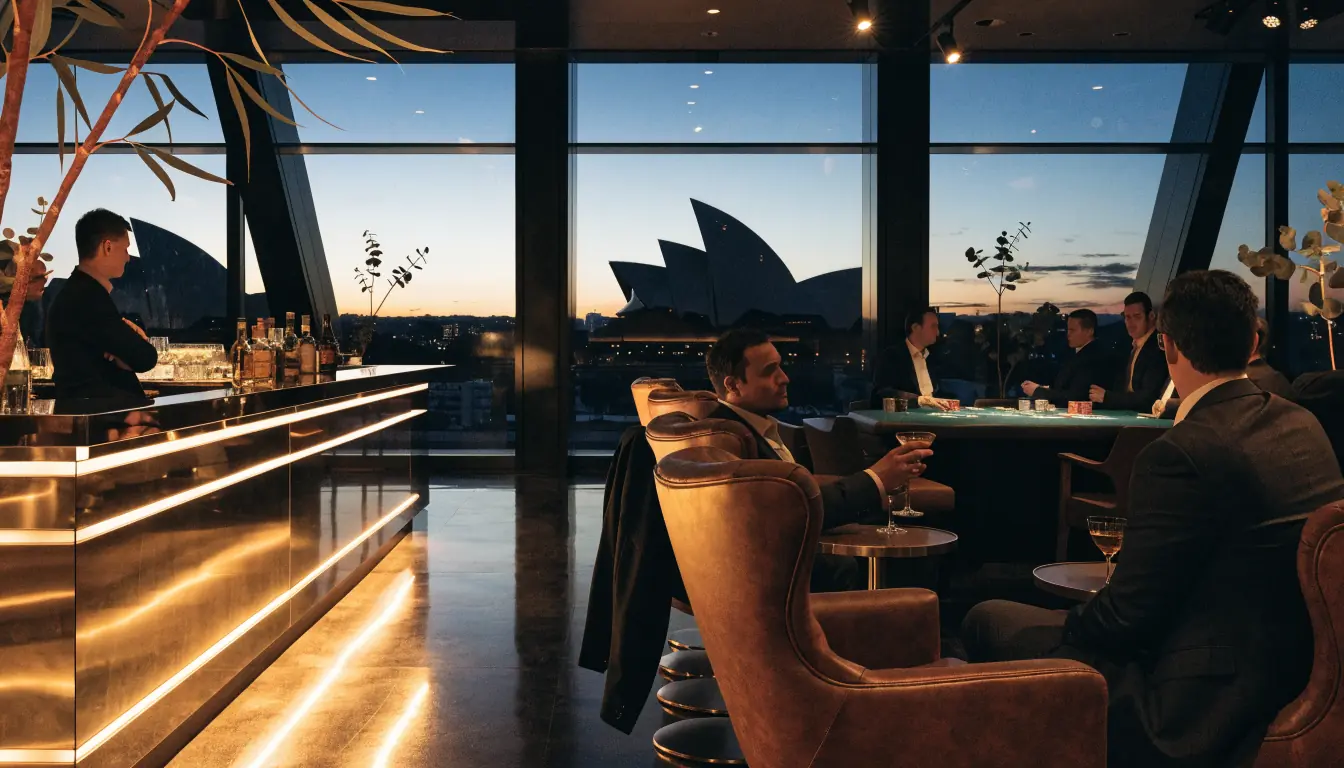
Online sports betting sits outside this prohibition and is licensed at the state and territory level, which is a separate regulatory track from casino gaming altogether. There is no single national gambling regulator in Australia; oversight is split between federal bodies like ACMA and territory-level commissions, each responsible for a different slice of the market.
What this means for the Canberra venue specifically
The casino’s physical operations, entertainment programming, and any development or expansion plans are subject to ACT licensing conditions, not the Interactive Gambling Act. Questions about whether the venue is open, has reopened after renovation, or is expanding its floor are territory regulatory and planning matters, separate from the federal rules governing online play discussed above.
Employment at the casino also falls under standard territory labour and gaming-licence conditions rather than any federal gambling statute — a hiring decision or job listing at the venue has nothing to do with the IGA.
Why the regulatory split matters to you as a visitor
Scale gives context to why this framework exists. Estimates put the number of Australian adults experiencing significant gambling problems at somewhere between 80,000 and 160,000, a range regulators cite when justifying harm-minimisation requirements attached to venue licences — things like signage, self-exclusion options, and staff training. These conditions apply to the physical Canberra premises under its territory licence, independent of whatever happens in the online space under federal law. Understanding which rules apply to which activity is the first step before looking at what the venue itself offers, covered in the sections that follow.
Casino‑Attached Hotels in Canberra
Since online casinos aren’t licensed within the ACT, Canberra players looking for real-money play in 2026 rely on offshore platforms — so it pays to know what each one actually offers before you sign up.
License: Curacao · Bonus: 100% up to A$500 + 200 free spins, 10x wagering · Payout speed: crypto 30-60 minutes, fiat 1-5 days · Min. deposit: A$10 Licensed in Curacao, Wild Tokyo pairs a sizeable welcome package with free spins and modest wagering requirements, plus fast crypto payouts for those who prefer digital currency.
Bonus: up to A$7,500 + 550 free spins across 10 deposits, 50x wagering · Payout speed: crypto under 1 hour, PayID 1-3 business days · Min. deposit: A$20 (A$30 to qualify for the bonus) Ricky Casino spreads a large welcome bonus across multiple deposits and backs it with quick crypto withdrawals, though the wagering requirement is on the higher side.
License: Curacao eGaming OGL/2024/923/0383 (Antillephone N.V.) · Bonus: up to A$2,000 + 100 free spins across 2 deposits · Min. deposit: A$30 WinSpirit Casino holds a current Curacao eGaming license and offers a two-deposit welcome bonus with free spins for a relatively low minimum deposit.
License: Tobique Gaming Commission · Bonus: up to A$8,000 + 400 free spins across 4 deposits · Payout speed: crypto ~10-15 minutes, fiat 1-5 days · Min. deposit: A$30 Licensed by the Tobique Gaming Commission, SkyCrown offers a generous four-deposit bonus package and notably fast crypto payout times.
License: Curacao · Bonus: up to A$10,000 multi-stage + 500 free spins · Min. deposit: A$20 (POLi) Lucky Dreams runs a multi-stage bonus worth a substantial amount plus free spins, with a low minimum deposit and POLi support for easy funding.
License: Curacao eGaming (Hollycorn N.V., since 2017) · Bonus: 225% up to A$1,540 + 600 free spins across 4 deposits, 20x wagering · Min. deposit: A$20-30 (depends on the offer) Operating under a long-standing Curacao eGaming license, Playfina Casino offers a high-percentage bonus spread over several deposits with a manageable wagering requirement.
License: Curacao Gaming Control Board OGL/2023/176/0095 (Hollycorn N.V.) · Bonus: up to A$5,000 + 300 free spins across 4 deposits Rollero Casino holds a current Curacao Gaming Control Board license and offers a solid welcome bonus spread across multiple deposits with free spins included.
License: Curacao eGaming (Roby Games Ltd) · Bonus: 100% up to A$750 + 200 free spins Roby Casino is licensed under Curacao eGaming and offers a straightforward welcome bonus with free spins for new players.
Bonus: 100% up to A$750 + 200 free spins, 35x wagering · Payout speed: crypto 30-120 minutes, fiat 24-72 hours · Min. deposit: A$30 MrPacho combines a welcome bonus with free spins and offers quick payout turnaround for both crypto and fiat deposits.
License: Curacao eGaming OGL/2023/174/0082 (Dama N.V.) · Bonus: up to A$10,000 + 500 free spins across 4 deposits · Min. deposit: A$15 Licensed under Curacao eGaming, LevelUp Casino offers one of the larger bonus packages on this list across four deposits, with a low minimum deposit to get started.
Here’s the problem with writing about hotel rooms physically attached to a Canberra casino: there isn’t one currently operating in a state that supports that kind of integrated accommodation offer. Canberra’s casino has, at various points, existed alongside adjoining hotel infrastructure, but the operational status of any attached hotel property changes with ownership, licensing conditions, and refurbishment cycles — details that aren’t settled in any way that lets you name specific room types, rates, or package deals with confidence right now.
That matters for how you should read anything claiming to list "casino hotel deals" for Canberra. A room count, a nightly rate, a bundled voucher for table credit — none of that can be stated here without a verifiable source behind it, and none exists in the material available for this article. Rather than invent a room tally or a package structure to fill the gap, it’s worth explaining what actually determines whether a casino‑attached hotel model works, so you can evaluate any specific offer you encounter elsewhere on its own merits.
The economic rationale for casino‑attached hotels is clear: capturing a share of the $244.3 billion Australian gambling turnover encourages venues to keep guests on‑site, which is why this model is common at larger integrated resorts.
Why attached accommodation exists at all
The economic logic behind pairing a hotel directly to a casino floor is straightforward: it keeps a guest on-site rather than driving them to a competitor’s restaurant or a separate suburb for the night. Gambling spend in Australia is not a marginal activity — bets placed nationally totalled $244.3 billion in the 2022–23 financial year, with losses across that period reaching $31.5 billion. Almost three in four Australian adults gambled at least once in the twelve months to 2022, and more than a third did so weekly. A venue that captures a portion of that spending has a direct incentive to reduce the friction of leaving the building, and an attached hotel is the standard mechanism for doing that. This is why the model is common at larger integrated resorts elsewhere in the country, even where it isn’t currently the case in Canberra.

What to actually check before booking near a casino
Since no verified room inventory or deal structure can be listed here, the more useful approach is knowing which questions get you a real answer when you’re comparing options directly with a property:
- Is the hotel legally part of the casino licence, or just adjacent to it? These are different things. A hotel under the same licence as the gaming floor typically shares management, loyalty programs, and sometimes room-charge privileges at the tables. A hotel that’s merely next door operates independently and won’t offer casino-linked perks regardless of how its marketing reads.
- What’s actually included in a “casino package”? Where these exist, they can bundle anything from parking to show tickets to dining credit. None of that is standard — it varies property to property, and the only reliable way to know what’s in a specific offer is to read the terms attached to that specific booking, not a general description of “casino hotels.”
- Are the operating hours of the attached gaming floor different from the hotel’s front desk hours? A casino floor and a hotel lobby don’t necessarily run on the same clock. If you’re booking specifically to be near active tables or pokies at a particular hour, confirm the gaming floor’s schedule separately from the hotel’s check-in and check-out times — they’re managed by different teams even within the same building.
- Does the welcome offer, if any, apply to you? Under national rules, any welcome bonus tied to a casino stay can only be extended to first-time customers who are 18 or older — it cannot legally be offered to returning guests or minors, no matter how a promotional flyer is worded.
The honest gap here
No published source currently sets out a fixed list of room types, seasonal rates, or loyalty-tier deals for a Canberra casino hotel, and this section won’t manufacture one. If you’re planning a stay specifically to be walking distance from the gaming floor, your best move is contacting the property directly and asking for written confirmation of what’s bundled into any advertised rate — deposit terms, cancellation windows, and whether gaming credit is even part of the package. That single phone call or email will tell you more than any general comparison table, because the details genuinely differ by booking and aren’t standardised across the market.
The next section covers what’s inside the gaming floor itself — the poker rooms and the fitness facilities that operate as part of the core casino footprint, distinct from questions of where you sleep.
Gaming Areas: Poker Rooms and Fitness Facilities
The poker room sits apart from the main gaming floor, both physically and in how it runs. Where the floor operates on fixed-odds machines and dealt table games against the house, poker rooms in Canberra operate on a rake model: the house takes a cut of each pot or a table fee, and players compete against each other rather than against a built-in edge. That distinction matters if you’re used to pokies or blackjack — the maths of the room, and the skill component involved, work differently from anything else on site.
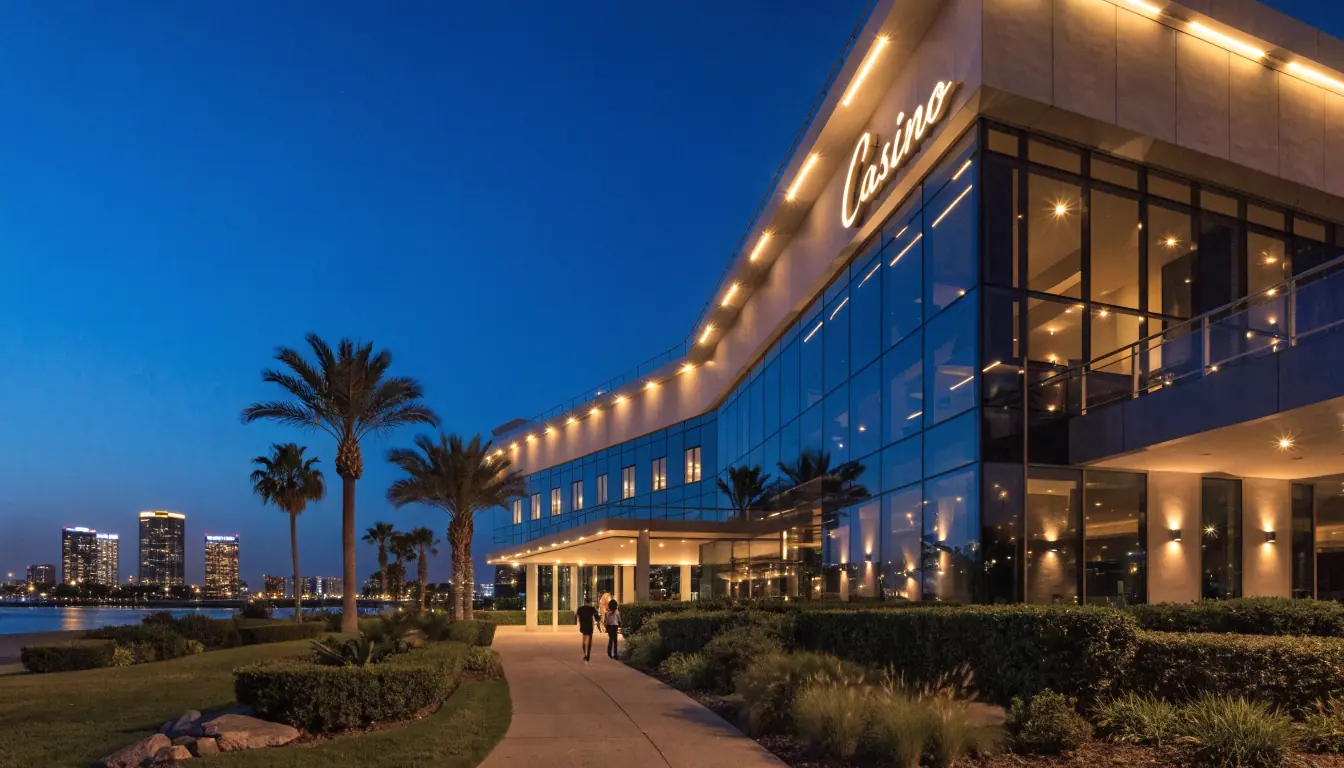
Tournament schedules are published on a rolling basis and change often enough that checking the current week’s listing before you travel is worth the two minutes it takes. Cash games typically run alongside tournaments, so if a scheduled event doesn’t suit your timing, a cash table is usually available as a fallback. Staff at the poker desk can confirm buy-in structures and starting times on the day — this is the kind of detail that shifts week to week and isn’t worth committing to memory.
What to expect walking in
The room is set up as a discrete space rather than an open extension of the casino floor, which keeps the noise and pace of slot banks separate from table play. This layout is common in venues that run structured poker programs, since it lets tournament directors manage blind levels, seating, and re-buys without the ambient interruption of the wider floor.
If you’re new to live poker rather than online play, the practical differences are worth knowing upfront:
- Dealers are neutral — they run the mechanics of the game but don’t play a hand themselves, unlike a blackjack dealer who represents the house.
- Table stakes rules apply — you play with the chips in front of you at the start of a hand, not whatever’s in your wallet.
- Tournament structure is fixed in advance — blind levels and starting stacks are set before the first hand is dealt, so the pace of the tournament is predictable even if individual hands aren’t.
Fitness facilities
The on-site gym is a separate amenity from the gaming floor and sits closer to the hotel side of the operation in terms of who tends to use it — guests staying overnight rather than day visitors passing through for a session at the tables. Equipment access is generally tied to hotel guest status or a casino loyalty tier, so it’s worth confirming entry conditions at check-in rather than assuming walk-up access.
The presence of a gym alongside a poker room reflects a broader pattern in how casino complexes are laid out now: gaming, hospitality, and wellness amenities are kept in distinct zones rather than blended into one continuous space. That separation is deliberate. Poker rooms need quiet and control over pacing; gyms need equipment turnover and predictable hours; neither benefits from being adjacent to slot machine noise.
A note on who’s in the room
Poker rooms, like the rest of the casino, operate under an 18-plus entry rule with no exceptions, and identification is checked at the door rather than assumed from appearance. This isn’t a formality specific to Canberra — it reflects a wider pattern across Australian gambling data, where nearly half of 18-19-year-olds already report gambling activity and a meaningful share of under-18s do as well, despite the legal minimum age. Venues that run structured tournament programs tend to be strict about ID checks precisely because the incentive to slip underage players into a competitive cash environment is higher than at a single slot machine.
None of this changes how you plan a visit, but it explains why check-in at the poker desk can take longer than expected on tournament nights — the room is verifying identity and buy-in eligibility for every seat, not just processing a queue.
All patrons must be 18 years or older and will have their identification checked at the poker desk before being allowed to play.
Core Casino Offerings: Games, Bars, and Events
The gaming floor at the Canberra casino runs on table games and pokies, with staff able to point you toward baccarat and other card games from the entrance if you’re not sure where to start. Table minimums, dealer rotations, and which pit is open at a given hour are the kind of detail that changes shift to shift, so confirming at the information desk on arrival is more reliable than anything printed in advance. If you’re specifically looking for craps, ask before you plan your visit around it — table availability on any casino floor shifts with demand, and this is not something that gets published on a fixed schedule.
None of your winnings at the tables are taxed. That’s a feature of Australian law generally, not a perk the venue is offering you, but it does mean the number you walk away with is the number you keep.
Bars on the floor
The bar areas are positioned to serve the gaming floor directly, so you’re rarely more than a short walk from a drink whether you’re at the tables or working through the pokies. Table service circulates through the main pit; the standalone bar counters are where you go if you want to sit down away from a machine for a while. None of this is complicated, but it’s worth knowing the layout runs on proximity to games rather than as a separate destination — the bars support the floor, they aren’t a night out on their own.
Events and entertainment
The casino hosts concerts and live entertainment on a recurring basis, and these events tend to draw a different crowd than the regular gaming floor traffic — worth checking the calendar ahead of a visit if a show is part of the plan, since dates and acts change and aren’t fixed year to year. Beyond scheduled shows, the floor itself runs its own rhythm of promotions and themed nights tied to the gaming offer, which is a separate thing from the entertainment calendar and worth treating as such when you’re deciding what kind of night you’re booking in for.

Getting in touch
For anything specific — table availability, event bookings, or questions the floor staff can’t answer on the spot — contacting the casino directly ahead of your visit saves a wasted trip. Contact numbers and details for the venue are best confirmed through the casino’s own listing rather than repeated secondhand, since front-of-house numbers and departments can change.
How this fits into the ranking picture
If you’re comparing the Canberra venue against other options covered on this site, it helps to understand what "ranking" means in that context. Pokies Live Guide recalculates its casino rankings weekly, using a formula that weights bonus generosity at 30%, payout reliability at 25%, game library breadth at 20%, customer support responsiveness at 15%, and user-submitted feedback at 10%. Each listing is also scored separately on bonus transparency, cashout speed, customer care, and licensing integrity. None of that scoring changes what’s on the floor in Canberra — it’s a framework for comparing operators, not a description of any single venue’s games or bars.
Access to any casino offer, on the floor or through a listing on this site, requires you to be 18 or older. That’s not a house policy that varies by location — it’s the legal minimum across the market, and it applies before anything else does.

Parking and Accessibility Options
Getting to a physical casino in Canberra and moving around once you’re there involves practical details that have nothing to do with the games or the food — where you leave the car, how you get in if you use a wheelchair, and whether public transport actually drops you close to the door. This section covers that ground, separate from anything already said about the gaming floor or the bars.
On-site parking
A venue’s parking arrangement is usually one of three types: a free surface lot, a multi-level structure with a boom gate, or valet service handled by staff at the entrance. Which one applies, and whether it costs anything, depends entirely on the individual property’s current policy — this changes without much notice and isn’t something a review can guarantee months in advance. Before driving in, it is worth confirming directly with the venue whether parking is complimentary for patrons, whether validation at a cashier or reception desk is required, and what the height and length limits are for the car park structure if one exists. Valet parking, where offered, typically requires handing keys to an attendant at a marked bay near the main entrance; ask about retrieval times if you’re planning a short visit, since these can vary depending on how busy the venue is.

Public transport links
Canberra’s public transport network includes bus routes and light rail services that connect the city centre to surrounding suburbs. Whether a direct service stops within walking distance of the casino depends on the specific route map in effect, and timetables are revised periodically, so checking the current schedule before travelling is more reliable than relying on general assumptions. If you’re arriving without a car, plan for the return trip as well — night-time service frequency is usually lower than during the day, and this affects how late you can comfortably stay.
Accessibility features
Physical accessibility at a casino venue generally covers step-free entry, accessible parking bays close to the entrance, lifts between floors, and accessible restrooms. Staff at the front desk or concierge point can usually confirm what’s available on the day, including whether wheelchairs or mobility aids can be borrowed and whether any areas of the gaming floor have restricted access due to layout. If you have specific mobility, vision, or hearing needs, contacting the venue ahead of your visit is the most direct way to get accurate information, since accessibility provisions can differ between different parts of the same building.
What this section does not cover
It’s worth being clear about scope here. Online casino games — pokies, blackjack, roulette, and similar titles played through a website rather than on a physical floor — are prohibited under the Interactive Gambling Act 2001, the primary Commonwealth law governing online gambling in Australia and introduced with a focus on harm minimisation. Some older references cite the Interactive Gambling Act 1997 as the source of this prohibition; sources disagree on the exact year, and this discrepancy is worth naming rather than glossing over. Either way, the practical effect is the same: there is no licensed way to access online casino games from within Australia, and no legitimate parking or accessibility question applies to something that cannot legally operate here in the first place. It is not illegal for an individual to use an offshore-licensed site — the law targets the operators, not the players — but that is a separate matter from anything discussed in this section, which concerns physical access to a bricks-and-mortar venue only.
Illegal online casino access
Offering or attempting to use an online casino from within Australia breaches the Interactive Gambling Act 2001 and can result in significant penalties for operators.
Anyone testing withdrawal or account processes elsewhere on this site follows a fixed deposit threshold of at least A$300 per casino reviewed, a detail unrelated to parking but worth keeping in mind when comparing how different sections of this guide gather their information.
Nearby Accommodation Outside the Casino
Not every visitor books a room inside the casino building itself, and Canberra’s surrounding suburbs hold a wider spread of options than the property’s own hotel wing. If you’re comparing places to stay rather than committing to whatever the casino has attached, it helps to think about the choice in three categories: hotels, short-stay apartments, and serviced accommodation aimed at longer visits.
What sits outside the casino footprint
The area around the casino includes independent hotels that operate under their own management, unconnected to the gaming floor’s booking system or loyalty program. These properties compete on the same basics any hotel does — room size, breakfast inclusion, cancellation terms — rather than on proximity to a poker table. Short-term rental apartments are also common nearby, usually booked through general accommodation platforms rather than through the casino directly. They tend to suit people staying several nights who want a kitchen and laundry rather than turndown service.
Serviced apartments split the difference between the two: hotel-style front desks with self-contained units, often used by business travellers who have no interest in the casino at all but need to be within walking or short-drive distance of the city centre.
None of these properties can legally offer you online casino games, in-play betting, or poker as part of a package or amenity — that distinction matters if a listing description ever implies otherwise. Under the Interactive Gambling Act 2001, online casino, poker, and in-play betting are prohibited federally, and there are no domestically licensed real-money online casino operators available to Australian players. Any accommodation marketing that suggests you can gamble online from your room, rather than visit the physical gaming floor, is describing something that isn’t legally available in Australia. Online sports betting is a separate matter — it’s legal under state and territory licences — and live betting by phone is legal even though live in-play betting online is not. That distinction is worth knowing if a hotel’s in-room information pack references betting services, since phone-based wagering and online in-play wagering are not treated the same way under the law.
Comparing what’s actually different
When you’re deciding between a casino-attached room and something nearby, the practical differences usually come down to:
- Booking channel — external properties are reserved through their own sites or general travel platforms, not the casino’s system, so casino-specific perks don’t carry over.
- Walking distance — proximity varies by property; some nearby hotels are a short walk, others require a taxi or rideshare.
- Rate structure — independent hotels set their own pricing and cancellation policies, separate from any casino promotional rates.
- Amenities included — external stays won’t include casino floor access as part of the room rate; that’s a separate visit regardless of where you sleep.
What to check before booking
Before locking in a room outside the casino, it’s worth confirming three things directly with the property rather than assuming: whether breakfast is included, what the cancellation window looks like, and how far the walk to the casino entrance actually is versus what a map suggests. Distances that look short on a map can involve a longer walk once you account for street layout around the precinct.
If your priority is simply having a bed close to the gaming floor without paying for the casino’s own branded rooms, comparing two or three independent listings side by side — on rate, cancellation terms, and walking distance — will usually tell you more than relying on a single listing’s description of "casino proximity."
Food Services, Buffets, and Employment Opportunities
Whatever a venue calls its breakfast spread, the underlying mechanics are the same everywhere: a fixed set of stations, a fixed price, and a kitchen sized to match expected footfall. Before booking a stay around a buffet breakfast, it’s worth checking directly with the property what’s included on a given morning — casino-linked dining rooms frequently rotate between a full cooked breakfast and a lighter continental service depending on the day of the week and how busy the floor was the night before.
What to expect from on-site dining
A casino restaurant or buffet operates on a different rhythm than a standalone eatery. Staffing is built around peak gaming hours rather than typical meal times, which means breakfast service can run later into the morning, and evening dining tends to stay open well past when a normal restaurant would close. That’s a structural feature of venues designed to keep people fed without pulling them away from the floor for long — not a marketing point, just how the roster is built.
If a property advertises a resort-style package that bundles a room with breakfast, treat the "resort" label as a description of scale rather than a guarantee of specific inclusions. What counts as breakfast, whether it’s buffet-style or à la carte, and whether it’s included automatically or added at booking varies by property and by season. Confirm the exact terms with the venue before relying on them.

Loyalty and rewards programs
Many casino properties run a rewards scheme that ties dining credits, room upgrades, or discounted meals to points earned on the gaming floor. These programs are set and administered by the individual venue, not by any single national authority — there is no overarching statute or single regulator covering gambling in Australia, and reward-program terms fall outside the scope of bodies like the Australian Communications and Media Authority, which enforces the Interactive Gambling Act 2001 at the federal level rather than regulating in-venue loyalty perks. Read the terms of any rewards tier directly from the operator rather than assuming they match what another casino offers.
Employment at the casino
Casino properties are typically among the larger employers in their local hospitality sector, covering roles across gaming operations, food and beverage, housekeeping, security, and administration. Job listings are usually posted directly on the casino’s own careers page or through general hospitality job boards, and requirements follow standard employment law rather than anything specific to gambling regulation — with one exception worth noting for anyone applying to a gaming-floor role: staff working directly with wagering activity are subject to the same minimum age rule that applies to players, meaning anyone under 18 will not be eligible for those specific positions.
Because gambling regulation in Australia is split between state/territory bodies and federal oversight — with agencies like the Northern Territory Racing Commission acting as the de-facto licensing authority for many online operators, quite separate from how a physical casino’s own staffing and food service operations are run — a casino’s employment practices and its gambling licence sit under different rules entirely. A kitchen hand or a floor cashier isn’t dealing with the same compliance framework as the gaming tables themselves, even though both work under the same roof.
Anyone job-hunting at a casino should expect the same interview and onboarding process as any large hospitality employer: identity verification, reference checks, and for gaming-adjacent roles, background checks tied to the venue’s own licensing conditions rather than to federal online gambling law.
Wellness and Spa Services
A day spa sits apart from the gaming floor, the poker room, and the restaurants — a separate booking, a separate space, and in most layouts a separate entrance from the main casino traffic. If you’re looking for the spa specifically rather than the casino as a whole, it helps to know it’s treated as its own facility with its own hours, not an add-on you stumble into between hands of poker.
What the spa covers
Treatment menus at casino-attached day spas typically fall into a few standard categories: massage (remedial, relaxation, hot stone), facials, body treatments, and nail or beauty services. Some venues bundle these into packages that pair a treatment with access to a pool or sauna, sold as a half-day or full-day pass rather than a single service. None of this is unique to Canberra — it’s the standard structure for hotel-and-casino spas across Australia — but the specific list of treatments, their duration, and their price should be confirmed directly with the venue, since spa menus change more often than gaming floors do and aren’t listed in any regulatory filing you could check in advance.
Booking and dress code
Spa bookings generally run separately from restaurant reservations and casino floor access — you don’t need to be gambling, or even planning to, to book a treatment. Dress code inside the spa itself is typically robe-and-slippers casual, provided by the venue for the duration of your booking; this is different from the dress code enforced on the main casino floor, where smart-casual standards apply and thongs, singlets, or work boots are commonly turned away. If you’re planning to move between the two — spa treatment, then dinner or a few hands at the tables — check the crossover dress requirements before you book, because what’s acceptable in the spa lounge isn’t automatically acceptable past the gaming floor entrance.
Wellness packages and timing
Where wellness packages exist, they’re usually priced as a bundle rather than itemised, which makes direct comparison between venues difficult unless you call and ask for the same breakdown from each. Peak periods — weekends, public holidays — tend to book out spa slots faster than gaming tables, since spa capacity is limited by the number of treatment rooms rather than the number of machines or tables. If a specific date matters to you, that’s the constraint to plan around, not casino opening hours.
Spa and wellness spending sits inside a gambling market where Australians placed bets totalling $244.3 billion in 2022–23 — a figure that reflects gaming turnover, not spa revenue, but it gives some sense of scale for the broader venues these spas operate alongside. The spa itself isn’t gambling, and nothing about booking a massage or a facial carries the same considerations as sitting down at a table — it’s a hospitality service like any hotel spa, priced and staffed accordingly.

Restaurant Choices Within and Around the Casino
A full-service restaurant works differently from a buffet line. You order from a menu, a kitchen prepares the dish to that order, and the price reflects that labour — which is why sit-down dining at a casino complex tends to sit above the food-court and buffet tiers covered elsewhere in this guide. Canberra’s casino complex carries at least one such restaurant on-site, positioned for guests who want a proper meal before or after time on the gaming floor rather than a quick plate between sessions.
The rooftop bar attached to the complex is worth treating as a separate decision from the restaurant itself. A rooftop venue is built around drinks and a view rather than a full menu, so if the plan for the evening is dinner, check whether the rooftop bar serves food at all or functions purely as a bar with limited snacks. Booking a table there for a meal and finding only bar service is a common mismatch between expectation and what’s actually offered — worth confirming with the venue directly rather than assuming.
Outside the casino building, Canberra’s dining scene extends well beyond what any single complex can hold. The city centre has a working restaurant strip within easy reach of the casino, covering a spread of cuisines and price points that a single on-site kitchen wouldn’t attempt to replicate. For a night that includes both gaming and dinner, it’s reasonable to treat the casino restaurant and the nearby strip as two separate options rather than assuming the on-site venue is the only choice worth considering.
Practical points to check before booking
- Table availability on event nights. If the casino has a promotion, tournament, or live event running, on-site restaurants can book out faster than usual — reserve ahead rather than walking in.
- Whether the restaurant is open to non-guests. Casino-attached restaurants are generally open to the public, not just hotel guests or active players, but confirming this avoids a wasted trip.
- Rooftop bar hours versus restaurant hours. These can run on different schedules; a rooftop bar closing earlier or later than the main restaurant is common enough to check in advance.
None of this changes the basic economics of the evening. Gambling losses across Australia totalled $31.5 billion in the 2022–23 financial year — a figure that puts the cost of a meal, however it’s chosen, in proportion against what’s actually at stake at the tables. Dinner is a fixed cost either way; what happens on the gaming floor afterward is not.
Food Courts, Pools, and Additional Amenities
Beyond the sit-down restaurants and buffet counters covered earlier, a casino floor of this size usually includes a food court section built for speed rather than atmosphere. Expect counter service, shared seating, and a rotation of quick options — the kind of setup designed for someone stepping away from a poker table or the pokies for twenty minutes rather than settling in for a meal.
A swimming pool, where present, sits apart from the gaming areas entirely, typically tied to the attached hotel rather than the casino floor itself. It functions as a guest amenity rather than part of the entertainment program, with access usually limited to hotel patrons rather than day visitors to the gaming rooms.
Additional minor amenities round out the property: cash machines, currency exchange points, cloakrooms, and lounge seating scattered near entrances and exits. None of these are unique selling points on their own — they exist because a venue drawing a high volume of visitors needs practical infrastructure as much as it needs card tables.
It’s worth keeping this kind of amenity in perspective. Gambling participation across Australia is widespread — close to three-quarters of adults gambled in the past year — which is precisely why venues build out these secondary services. A food court or a pool doesn’t change the odds at any table; it just determines how comfortable the hours around play are. Treat them as convenience features, not reasons to extend a session.
What are the key limits on providing services to customers?
Australian territory and state regulators attach harm-minimisation requirements to physical venue licences, including mandatory signage, self-exclusion options, and staff training, to address the 80,000–160,000 adults experiencing significant gambling problems.
What does the future outlook look like for the Australian online casino market?
There is no path to a domestically licensed online casino market, as the Interactive Gambling Act 2001 prohibits operators from offering these games to people in Australia and no licence exists to legally provide such services.
What is the technical infrastructure of modern casino platforms?
The legal framework splits physical and digital operations: a bricks-and-mortar venue in Canberra runs under a territory-issued licence for on-site gaming, while internet casino play falls under federal prohibition through the Interactive Gambling Act 2001.